Florida Memory is administered by the Florida Department of State, Division of Library and Information Services, Bureau of Archives and Records Management. The digitized records on Florida Memory come from the collections of the State Archives of Florida and the special collections of the State Library of Florida.

DLIS Logo
State Archives of Florida
  • ArchivesFlorida.com
  • State Archives Online Catalog
  • ArchivesFlorida.com
  • ArchivesFlorida.com
State Library of Florida
  • Library.Florida.gov
  • State Library Online Catalog
Related Sites
  • Division of Library and Information Services
  • Florida Electronic Library
  • Museum of Florida History
  • Florida Department of State
  • Division of Library and Information Services
  • State Archives of Florida
  • Listen: The World Program
Florida Memory Logo Florida Memory Logo
  • Discover
    • Photographs
      Photographs
      • About the Florida Photographic Collection
      • Photo Collections
      • Share Your Knowledge
      • Disclaimer and Copyright
    • Historical Records
      Historical Records
      • Voter Registration Rolls, 1867-68
        Reconstruction era voting records
      • Early Auto Registrations, 1905-1917
        Florida's first automobile registrations
      • Florida's Historic Constitutions
        Milestones in Florida's political framework
      • Selected Documents
        Letters, ephemera and other historical records
      • Florida Governors' Records
        Documenting Florida's chief executive officers
      • VIEW ALL
    • Maps
      Maps
      • Browse by Geographic Scope
      • Browse by Coverage
      • Browse by Image
      • Browse by Format
      • Browse by Subject
    • Audio
      Audio
      • Florida Folklife Program Recordings
      • Florida Folk Festival Recordings
      • WPA Recordings
      • Selected Audio
      • Florida Memory Radio
    • Video
  • Learn
    • About Florida Memory
      About Florida Memory
      • Founding and Mission
      • What We Select
      • Digitization Guidelines
      • Harmful Content Statement
      • Disclaimer and Copyright
      • Partnerships
    • Classroom
      Classroom
      • Learning Units
      • Primary Source Sets
      • Florida History Day
      • History Months
      • Projects
    • Floridiana Articles
    • Exhibits
      Exhibits
      • Significant Documents
      • Florida in World War I
      • Florida in World War II
      • Florida Maps: Then & Now
      • Florida Folklife Collection
      • The Koreshan Unity
      • Daguerreotype to Digital
      • Timeline
      • Photo Exhibits
      • VIEW ALL
    • Research Tools
      Research Tools
      • Guide to Florida Governors and the Florida Cabinet
      • Guide to Civil War Records
      • Guide to Black History Collections
      • Guide to Women's History Records
      • Guide to New Deal Records
      • Guide to the Koreshan Unity Papers
      • Guide to Genealogical Research
      • Guide to Florida Films
      • VIEW ALL
  • Share
    • Order
    • Connect With Us
    • Donate Records
  • Accessibility Menu
    ×
    Change Background Color
    • Default
    • Dark Contrast
    • Desaturate
    • Invert
    Change Font-Size
    • Default
    • Large
    Change Font
    • Muli
    • Open-Dyslexic
    Cursor
    • Default
    • Large
    • Reading Guide
    Highlight Links
    • On
    • Off

Shopping Cart

View Cart Checkout
Home Learn Exhibits Daguerreotype to Digital Dry Glass Plate Negatives

  • Daguerreotype to Digital
  • Daguerreotypes
  • Wet Collodion Photography
  • Albumen Prints
  • Tintypes
  • Cyanotype Photography
  • Glass Plate Negatives
  • Nitrate and Acetate Film
  • Color Photography
  • Motion Picture Film
  • Instant Photography
  • Digital Photography

Dry Glass Plate Negatives

  • Photographers could purchase presensitized gelatin dry plates off the shelf and shorten the time they had to spend in the darkroom.
  • Although professional photographers didn’t quickly embrace gelatin dry plates, amateur photographers enjoyed the ease of using them.
  • Silver gelatin prints dominated the market for almost 100 years because they were easier and more affordable to make compared to other prints.


History
Dry glass plate negatives, also called gelatin plates, are a refinement of the wet collodion process introduced by Richard L. Maddox in 1871. The improvement is right in the name; the emulsion of photographic chemicals was suspended in a dry gel rather than smeared on wet right before use. Whereas wet collodion processes like ambrotypes and tintypes required a photographer to prepare their plate, expose it and develop it all before the collodion dried, gelatin plates could be used for weeks after preparation.

Crucially, this feature meant that gelatin plates could be bought off the shelf, ready to use. This single difference opened up photography to countless amateurs, who no longer needed to understand as much of the chemistry required for successful photography. However, dry plates were only good for a single photograph, where a wet plate could theoretically be cleaned and used again. Professionals were slower to switch to the new product, but by the 1890s gelatin plates were common in studio photography. Popular gelatin dry plate brands at the turn of the century include Eastman Dry Plate Company, Keystone Plates, Cramer and Norden of St. Louis, and Defiance Plates.

Did You Know?
Gelatin dry plates could produce inconsistent results since the photosensitive chemicals were applied during manufacturing, weeks prior to exposure. While their shelf life was vastly longer than a wet collodion plate, it was still possible for entire cases of gelatin plates to lose their sensitivity during shipping.

Seated Girl and Boy Holding Hat, ca.1908. (State Archives of Florida)
Documents

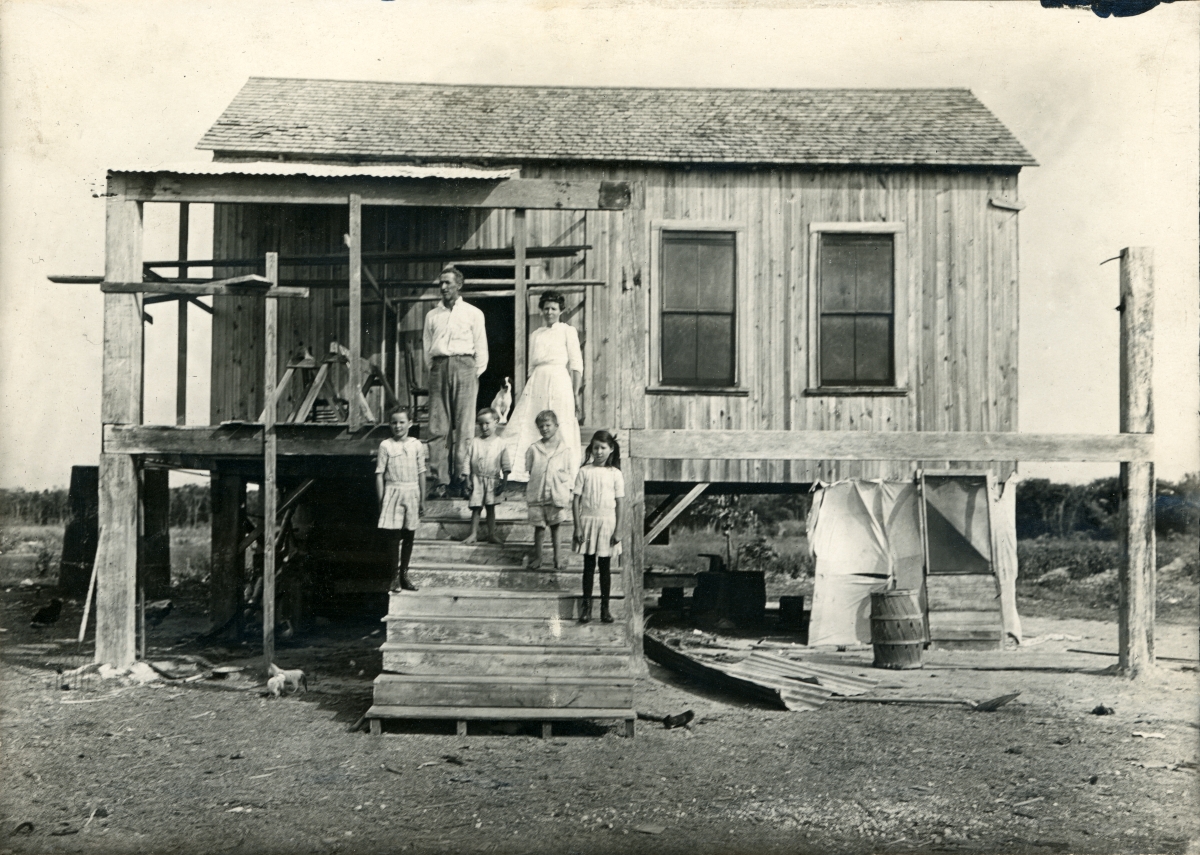
John Douthet family in front of residence, April 1917

John Douthet family in front of residence, April 1917

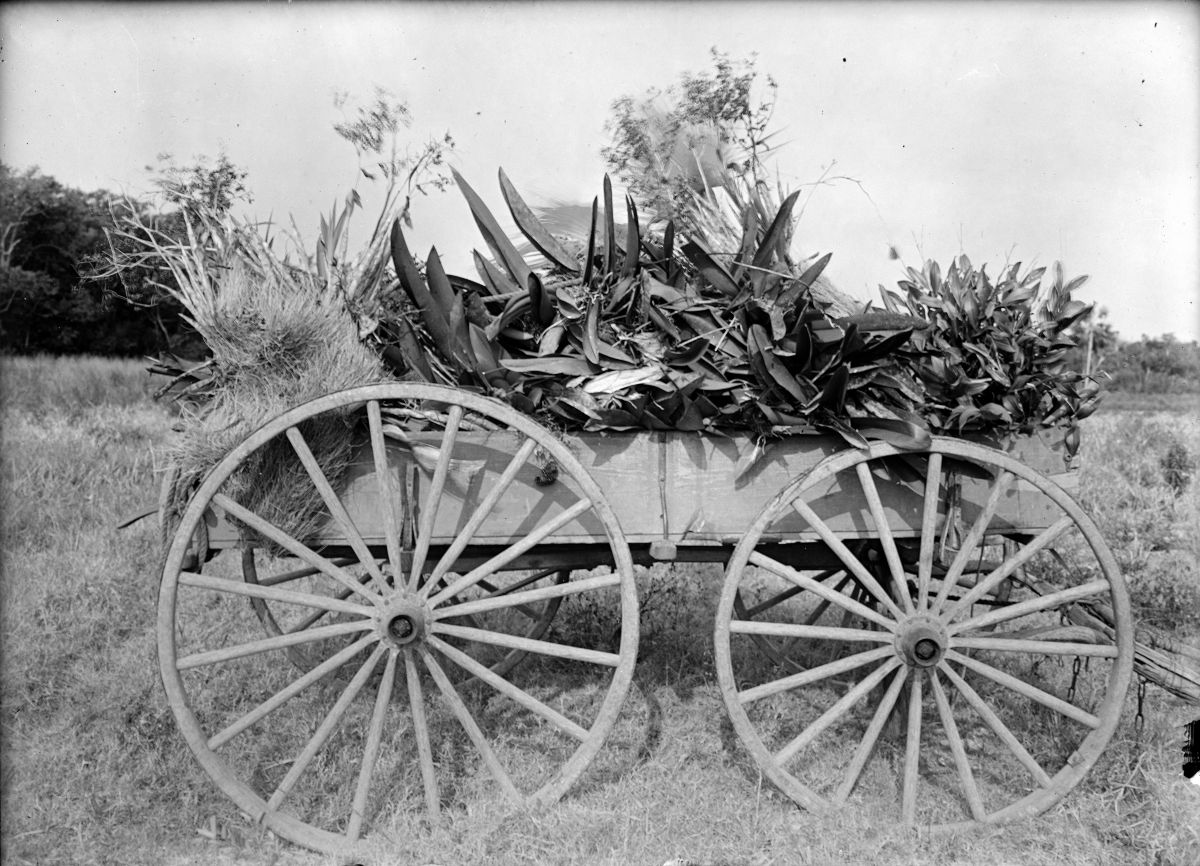
Orchids, April 1916

Orchids, April 1916

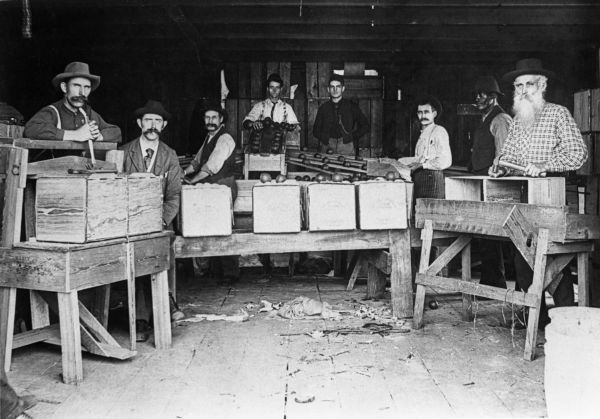
Inside Alexander & Baird's packing house - Beresford, Florida, ca. 1890

Inside Alexander & Baird's packing house - Beresford, Florida, ca. 1890

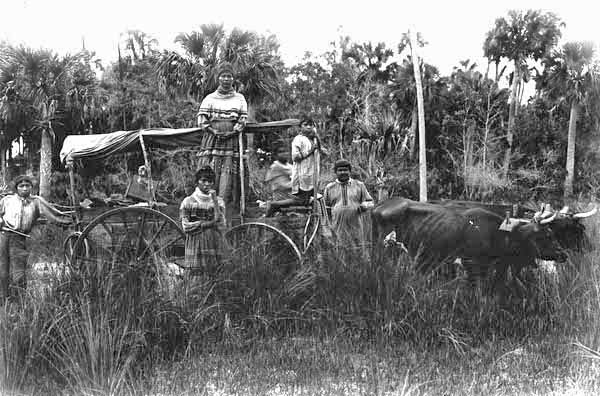
Billy Stuart and family, May 1919

Billy Stuart and family, May 1919

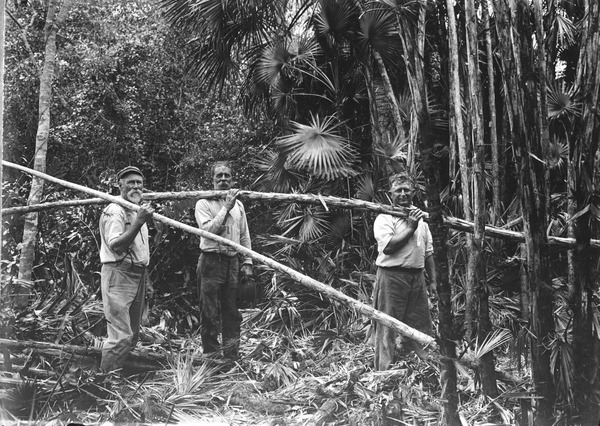
Plant collectors carrying Paurotis wrightii, April 1916

Plant collectors carrying Paurotis wrightii, April 1916

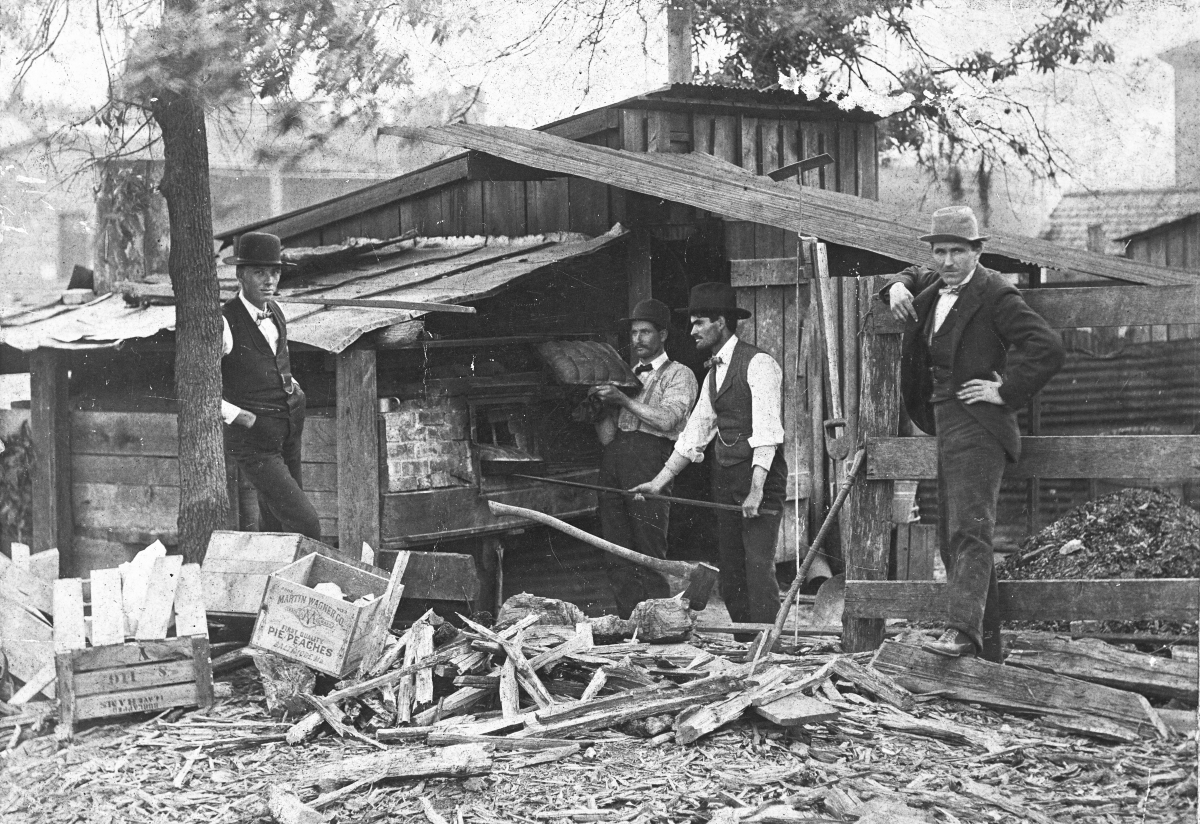
Laekland's first bakery, ca. 1880

Laekland's first bakery, ca. 1880

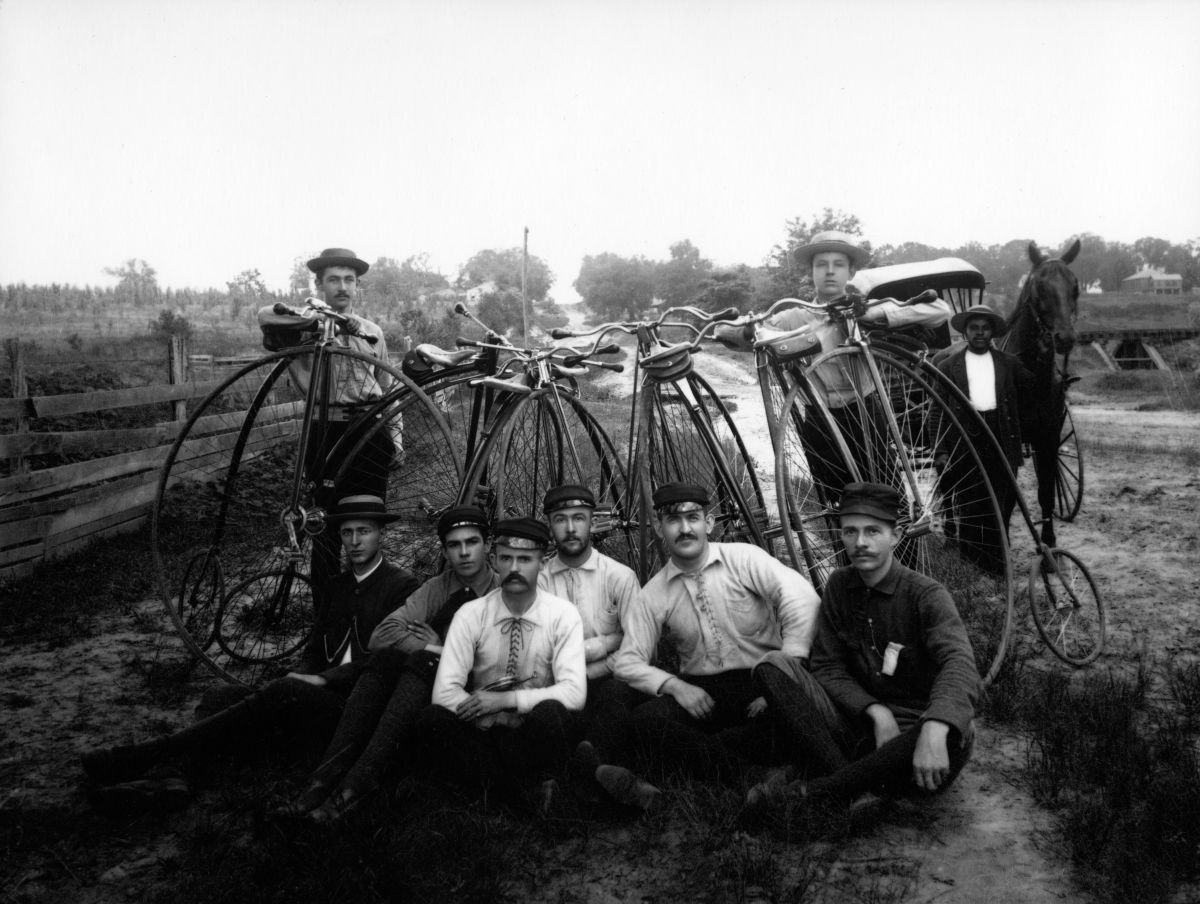
Eight young men with Penny-Farthing bicycles, ca. 1890

Eight young men with Penny-Farthing bicycles, ca. 1890

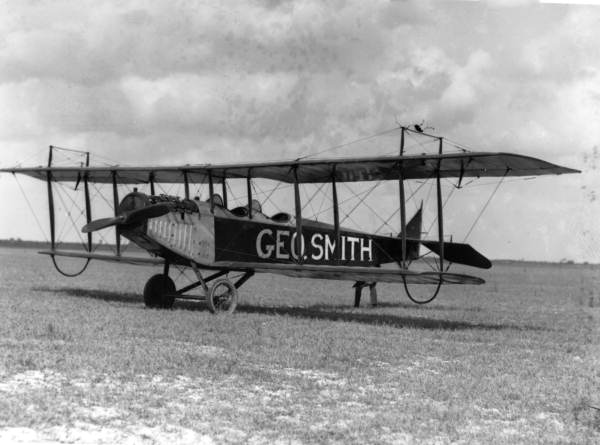
Biplane, George Smith, ca. 1910

Biplane, George Smith, ca. 1910

Boys and crew posed with Florida Railway and Navigation Company engine number 16, ca. 1886

Boys and crew posed with Florida Railway and Navigation Company engine number 16, ca. 1886

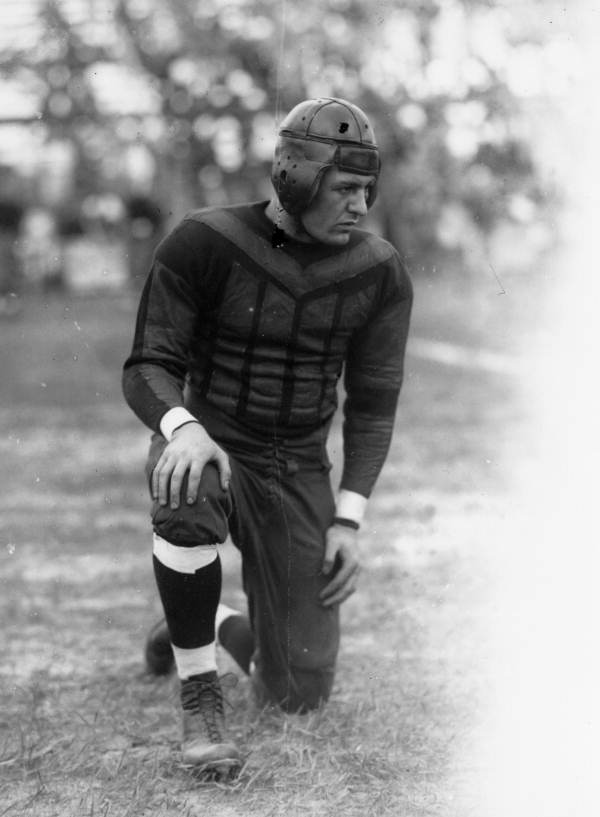
Chicago Bear football player Red Grange in exhibition game promoting the NFL, December 1925

Chicago Bear football player Red Grange in exhibition game promoting the NFL, December 1925

State Seal of Florida
Division of Library and Information Services logo

Florida Memory is a digital outreach program providing free online access to select archival records from collections housed in the State Library and Archives of Florida. Florida Memory digitizes materials that illuminate the state's history and culture.

  • Florida Department of State
  • Division of Library & Information Services
  • State Archives of Florida
  • Additional Links

    About Us Connect With Us Disclaimer Harmful Content Statement State Archives Online Catalog State Library Online Catalog Ask A Librarian Accessibility Statement

    Follow Us

    Florida Memory is funded under the provisions of the Library Services and Technology Act from the Institute of Museum and Library Services. Florida's LSTA program is administered by the Department of State's Division of Library and Information Services.

    For FY2025-26, the percentage of total costs for the Florida Memory program financed with federal money is 66%; the federal dollar amount to be spent on the program is $1,027,650. This program does not receive any non-governmental funding.

    IMLS