Florida Memory is administered by the Florida Department of State, Division of Library and Information Services, Bureau of Archives and Records Management. The digitized records on Florida Memory come from the collections of the State Archives of Florida and the special collections of the State Library of Florida.

DLIS Logo
State Archives of Florida
  • ArchivesFlorida.com
  • State Archives Online Catalog
  • ArchivesFlorida.com
  • ArchivesFlorida.com
State Library of Florida
  • Library.Florida.gov
  • State Library Online Catalog
Related Sites
  • Division of Library and Information Services
  • Florida Electronic Library
  • Museum of Florida History
  • Florida Department of State
  • Division of Library and Information Services
  • State Archives of Florida
  • Listen: The Assorted Selections Program
Florida Memory Logo Florida Memory Logo
  • Discover
    • Photographs
      Photographs
      • About the Florida Photographic Collection
      • Photo Collections
      • Share Your Knowledge
      • Disclaimer and Copyright
    • Historical Records
      Historical Records
      • Voter Registration Rolls, 1867-68
        Reconstruction era voting records
      • Early Auto Registrations, 1905-1917
        Florida's first automobile registrations
      • Florida's Historic Constitutions
        Milestones in Florida's political framework
      • Selected Documents
        Letters, ephemera and other historical records
      • Florida Governors' Records
        Documenting Florida's chief executive officers
      • VIEW ALL
    • Maps
      Maps
      • Browse by Geographic Scope
      • Browse by Coverage
      • Browse by Image
      • Browse by Format
      • Browse by Subject
    • Audio
      Audio
      • Florida Folklife Program Recordings
      • Florida Folk Festival Recordings
      • WPA Recordings
      • Selected Audio
      • Florida Memory Radio
    • Video
  • Learn
    • About Florida Memory
      About Florida Memory
      • Founding and Mission
      • What We Select
      • Digitization Guidelines
      • Harmful Content Statement
      • Disclaimer and Copyright
      • Partnerships
    • Classroom
      Classroom
      • Learning Units
      • Primary Source Sets
      • Florida History Day
      • History Months
      • Projects
    • Floridiana Articles
    • Exhibits
      Exhibits
      • Significant Documents
      • Florida in World War I
      • Florida in World War II
      • Florida Maps: Then & Now
      • Florida Folklife Collection
      • The Koreshan Unity
      • Daguerreotype to Digital
      • Timeline
      • Photo Exhibits
      • VIEW ALL
    • Research Tools
      Research Tools
      • Guide to Florida Governors and the Florida Cabinet
      • Guide to Civil War Records
      • Guide to Black History Collections
      • Guide to Women's History Records
      • Guide to New Deal Records
      • Guide to the Koreshan Unity Papers
      • Guide to Genealogical Research
      • Guide to Florida Films
      • VIEW ALL
  • Share
    • Order
    • Connect With Us
    • Donate Records
  • Accessibility Menu
    ×
    Change Background Color
    • Default
    • Dark Contrast
    • Desaturate
    • Invert
    Change Font-Size
    • Default
    • Large
    Change Font
    • Muli
    • Open-Dyslexic
    Cursor
    • Default
    • Large
    • Reading Guide
    Highlight Links
    • On
    • Off

Shopping Cart

View Cart Checkout
Home Learn Exhibits Daguerreotype to Digital Color Photography

  • Daguerreotype to Digital
  • Daguerreotypes
  • Wet Collodion Photography
  • Albumen Prints
  • Tintypes
  • Cyanotype Photography
  • Glass Plate Negatives
  • Nitrate and Acetate Film
  • Color Photography
  • Motion Picture Film
  • Instant Photography
  • Digital Photography

Color Photography

  • There are several methods for taking a photograph in color, the earliest involved taking three separate exposures for each primary color and combining them.
  • Later color films could capture most of the color spectrum in a single shot.
  • Before color photography, some artists offered services coloring photos by hand.

History
Immediately after the invention of photography, people started looking for a way to add color to images. Color is a memorable and evocative part of visual reality, from the shades of a sunset to the glint in a special someone’s eye. For photography to completely represent the world, it had to capture the colors we can see. In the 1840s, many daguerreotypists hand painted individual photo plates; the result was a photo with color, but true color photography was decades away. The earliest methods for color photography involved taking three separate exposures, one for each of the primary colors of red, green, and blue, which were then overlaid into a single image.

Later methods, like Kodak’s wildly popular Kodachrome film, were all-in-one solutions that took three individual color exposures on a single sheet of film. Color photography was commercially viable as early as the 1930s, becoming the norm for film photography by the 1980s. Specifically, Kodachrome, a reversal film which produced a positive image over a transparent base, remained the most popular for still photography and home movies well into the 1990s, only being displaced by digital photography.

Did You Know?
Color photography is an extension of basic color theory. Some color photo processes use an additive method, which combines red, green and blue light. Others, like Kodak’s Kodachrome, used a subtractive method which exposed the full spectrum of light and then blocked out shades of yellow, magenta and cyan. Either method can produce a full range of color, with slight variations.

Outdoor portrait of Marie Osceola with her daughter Tammy at the Seminole Okalee Indian Village on Dania Reservation, ca. 1962 (State Archives of Florida)
Documents

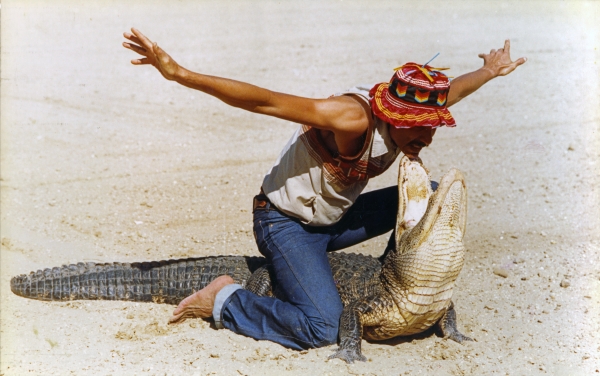
Man wrestlilng an alligator at the Brighton Seminole Reservation, ca. 1983

Man wrestlilng an alligator at the Brighton Seminole Reservation, ca. 1983

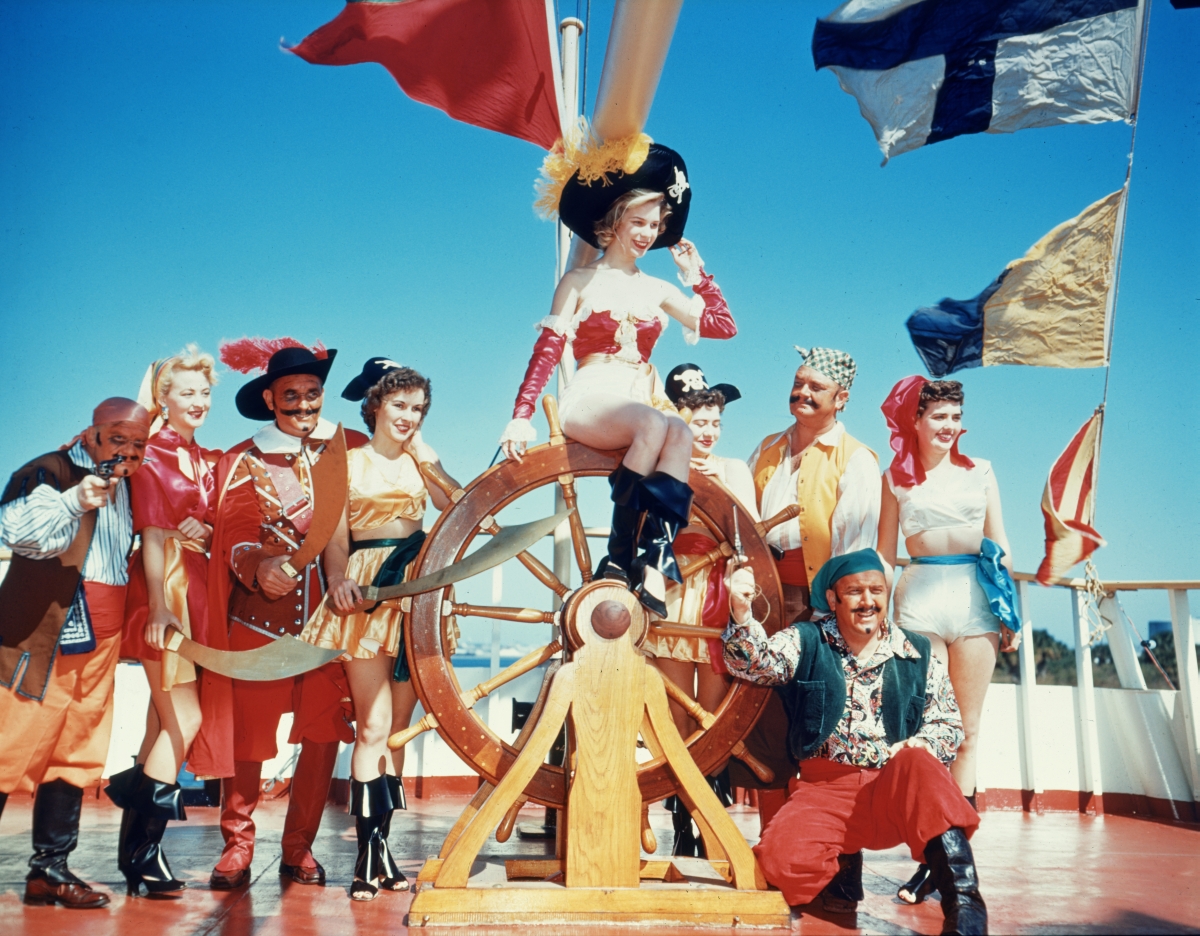
Costumed participants aboard ship at the Gasparilla festival in Tampa, 1955

Costumed participants aboard ship at the Gasparilla festival in Tampa, 1955

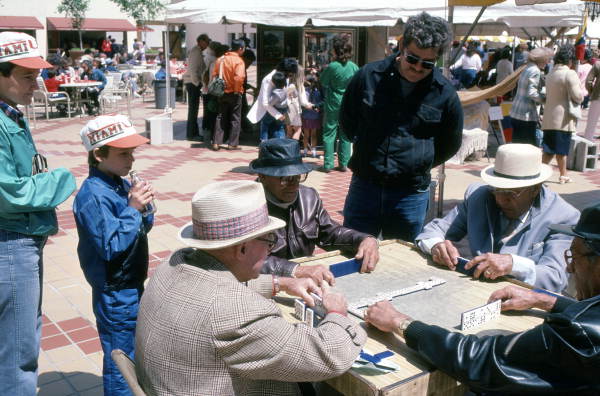
Men playing dominoes at the Traditions Festival - Miami, Florida, 1986

Men playing dominoes at the Traditions Festival - Miami, Florida, 1986

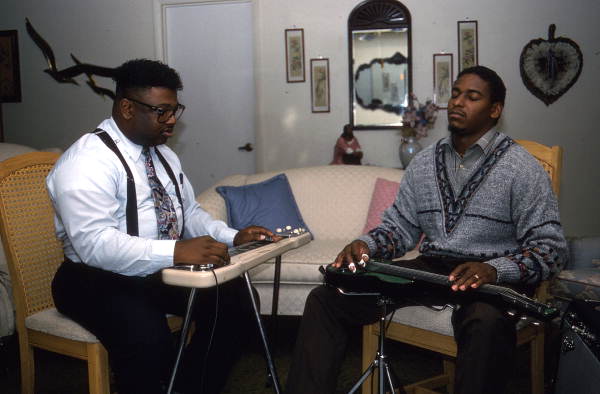
Gospel steel guitarist Aubrey Ghent teaching his apprentice Elton Noble - Fort Pierce, Florida, 1994

Gospel steel guitarist Aubrey Ghent teaching his apprentice Elton Noble - Fort Pierce, Florida, 1994

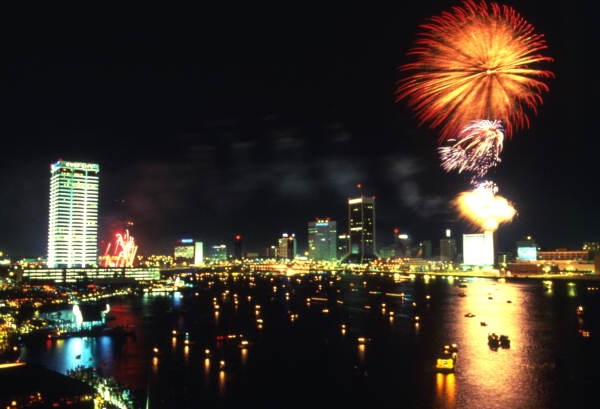
Fireworks over skyline during festival in Jacksonville, ca. 1969

Fireworks over skyline during festival in Jacksonville, ca. 1969

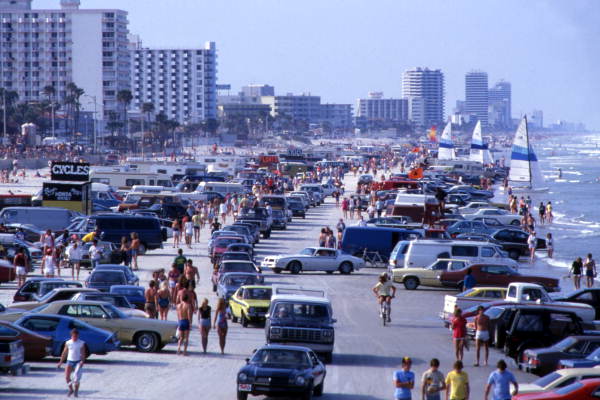
View showing cars and crowds at Daytona Beach, Florida, ca. 1976

View showing cars and crowds at Daytona Beach, Florida, ca. 1976

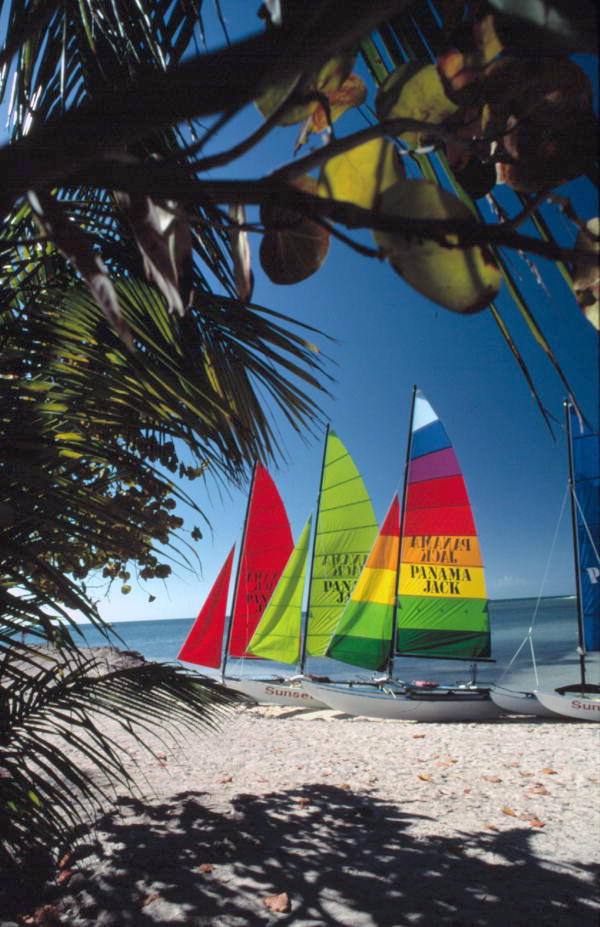
Hobie Cat sailboats on Smathers Beach at the end of South Roosevelt Boulevard - Key West, Florida, 1989

Hobie Cat sailboats on Smathers Beach at the end of South Roosevelt Boulevard - Key West, Florida, 1989

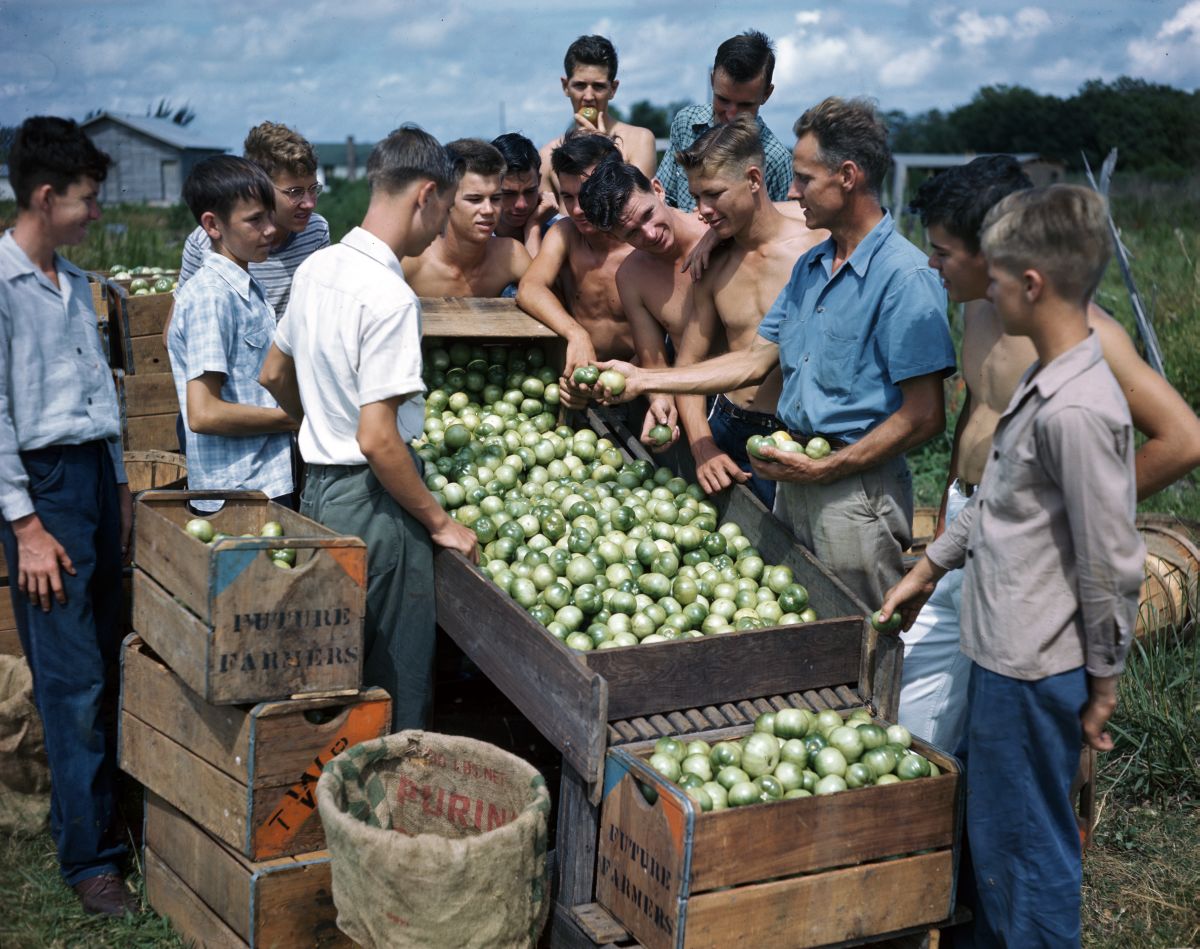
Future Farmers of America packing tomatoes in Palmetto, Florida, 1947

Future Farmers of America packing tomatoes in Palmetto, Florida, 1947

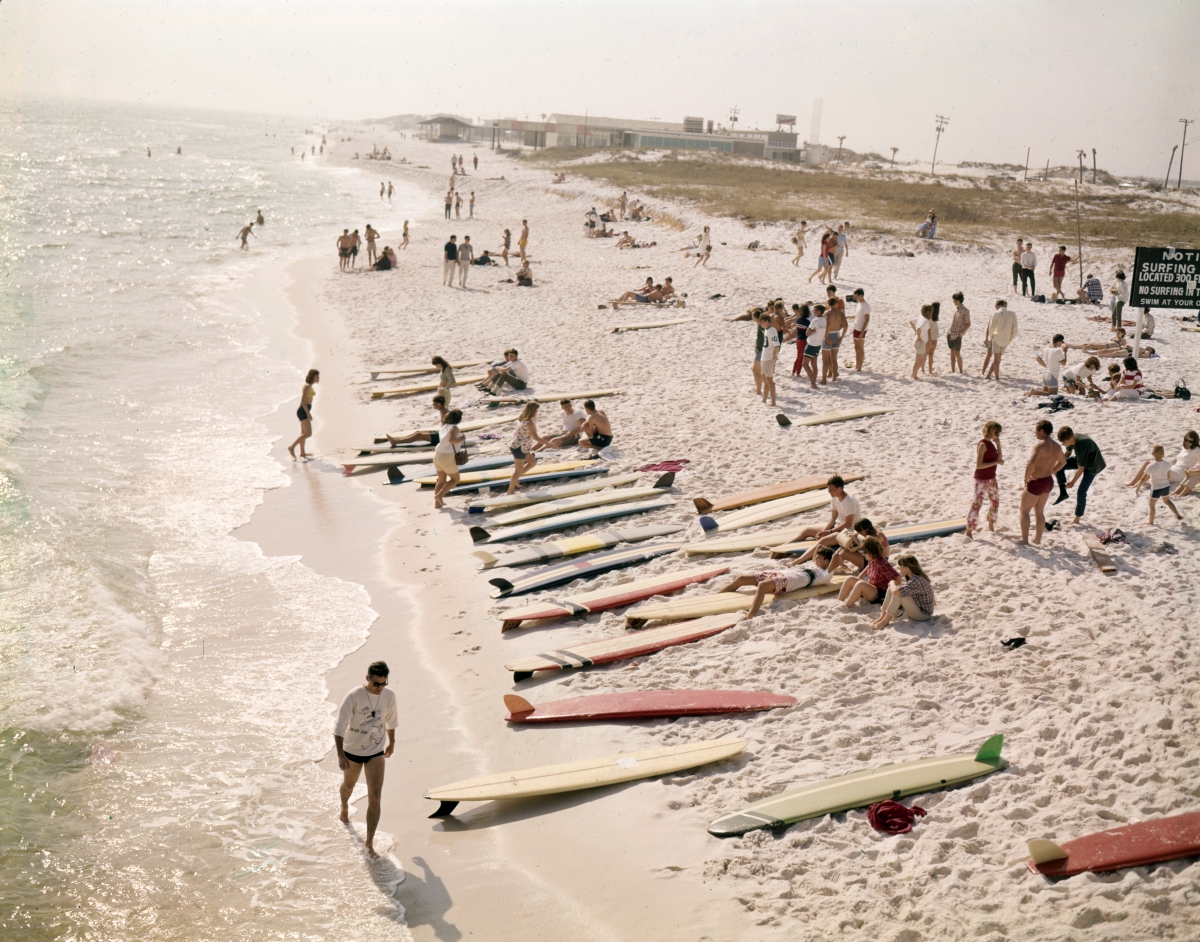
Surfboards lining the beach at Panama City, ca. 1969

Surfboards lining the beach at Panama City, ca. 1969

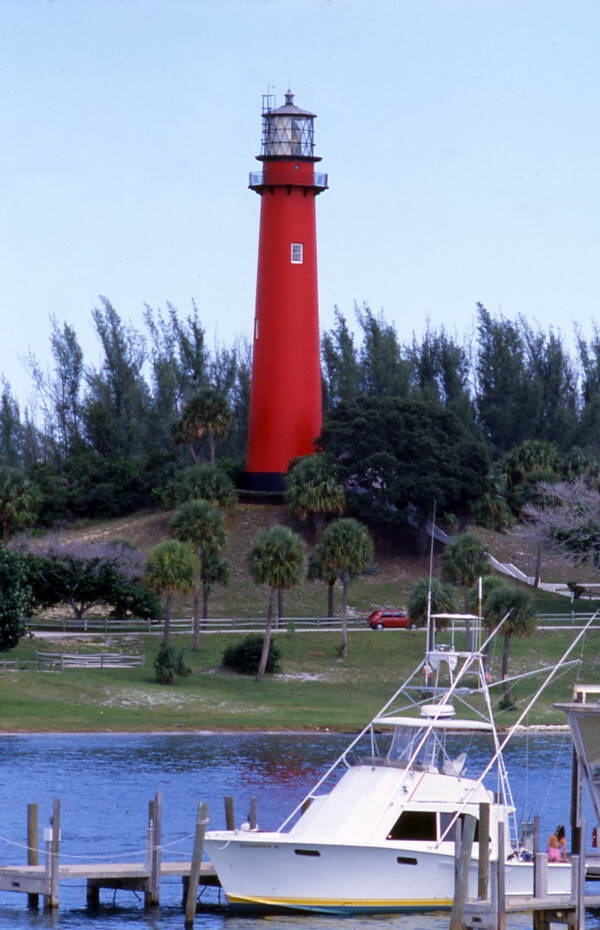
Historic Jupiter Inlet lighthouse in Palm Beach County, Florida, ca. 1996

Historic Jupiter Inlet lighthouse in Palm Beach County, Florida, ca. 1996

State Seal of Florida
Division of Library and Information Services logo

Florida Memory is a digital outreach program providing free online access to select archival records from collections housed in the State Library and Archives of Florida. Florida Memory digitizes materials that illuminate the state's history and culture.

  • Florida Department of State
  • Division of Library & Information Services
  • State Archives of Florida
  • Additional Links

    About Us Connect With Us Disclaimer Harmful Content Statement State Archives Online Catalog State Library Online Catalog Ask A Librarian Accessibility Statement

    Follow Us

    Florida Memory is funded under the provisions of the Library Services and Technology Act from the Institute of Museum and Library Services. Florida's LSTA program is administered by the Department of State's Division of Library and Information Services.

    For FY2025-26, the percentage of total costs for the Florida Memory program financed with federal money is 66%; the federal dollar amount to be spent on the program is $1,027,650. This program does not receive any non-governmental funding.

    IMLS