Florida Memory is administered by the Florida Department of State, Division of Library and Information Services, Bureau of Archives and Records Management. The digitized records on Florida Memory come from the collections of the State Archives of Florida and the special collections of the State Library of Florida.

DLIS Logo
State Archives of Florida
  • ArchivesFlorida.com
  • State Archives Online Catalog
  • ArchivesFlorida.com
  • ArchivesFlorida.com
State Library of Florida
  • Library.Florida.gov
  • State Library Online Catalog
Related Sites
  • Division of Library and Information Services
  • Florida Electronic Library
  • Museum of Florida History
  • Florida Department of State
  • Division of Library and Information Services
  • State Archives of Florida
  • Listen: The Assorted Selections Program
Florida Memory Logo Florida Memory Logo
  • Discover
    • Photographs
      Photographs
      • About the Florida Photographic Collection
      • Photo Collections
      • Share Your Knowledge
      • Disclaimer and Copyright
    • Historical Records
      Historical Records
      • Voter Registration Rolls, 1867-68
        Reconstruction era voting records
      • Early Auto Registrations, 1905-1917
        Florida's first automobile registrations
      • Florida's Historic Constitutions
        Milestones in Florida's political framework
      • Selected Documents
        Letters, ephemera and other historical records
      • Florida Governors' Records
        Documenting Florida's chief executive officers
      • VIEW ALL
    • Maps
      Maps
      • Browse by Geographic Scope
      • Browse by Coverage
      • Browse by Image
      • Browse by Format
      • Browse by Subject
    • Audio
      Audio
      • Florida Folklife Program Recordings
      • Florida Folk Festival Recordings
      • WPA Recordings
      • Selected Audio
      • Florida Memory Radio
    • Video
  • Learn
    • About Florida Memory
      About Florida Memory
      • Founding and Mission
      • What We Select
      • Digitization Guidelines
      • Harmful Content Statement
      • Disclaimer and Copyright
      • Partnerships
    • Classroom
      Classroom
      • Learning Units
      • Primary Source Sets
      • Florida History Day
      • History Months
      • Projects
    • Floridiana Articles
    • Exhibits
      Exhibits
      • Significant Documents
      • Florida in World War I
      • Florida in World War II
      • Florida Maps: Then & Now
      • Florida Folklife Collection
      • The Koreshan Unity
      • Daguerreotype to Digital
      • Timeline
      • Photo Exhibits
      • VIEW ALL
    • Research Tools
      Research Tools
      • Guide to Florida Governors and the Florida Cabinet
      • Guide to Civil War Records
      • Guide to Black History Collections
      • Guide to Women's History Records
      • Guide to New Deal Records
      • Guide to the Koreshan Unity Papers
      • Guide to Genealogical Research
      • Guide to Florida Films
      • VIEW ALL
  • Share
    • Order
    • Connect With Us
    • Donate Records
  • Accessibility Menu
    ×
    Change Background Color
    • Default
    • Dark Contrast
    • Desaturate
    • Invert
    Change Font-Size
    • Default
    • Large
    Change Font
    • Muli
    • Open-Dyslexic
    Cursor
    • Default
    • Large
    • Reading Guide
    Highlight Links
    • On
    • Off

Shopping Cart

View Cart Checkout
Home Learn Exhibits Daguerreotype to Digital Digital Photography

  • Daguerreotype to Digital
  • Daguerreotypes
  • Wet Collodion Photography
  • Albumen Prints
  • Tintypes
  • Cyanotype Photography
  • Glass Plate Negatives
  • Nitrate and Acetate Film
  • Color Photography
  • Motion Picture Film
  • Instant Photography
  • Digital Photography

Digital Photography

  • Modern digital cameras have a lens, aperture and shutter but do not use film.
  • A digital image is composed of a series of square picture elements, called pixels, each with its own numerical value.
  • Digital photographs are convenient and versatile because they do not require chemicals or paper.


History
Digital photography as we know it was invented in an Eastman Kodak laboratory in the early 1970s, by Steve Sasson. After two years of experimenting with the recently invented charged-coupled device (CCD), random access memory (RAM), and digital magnetic tape, Sasson constructed the first digital camera using the lens from a Super-8 movie camera, an analog/digital converter, and six circuit boards among a few other control and battery components.

Ironically, the corporation that had dominated the photographic arts for the better part of a century did not do much with this new method, and competitors quickly filled the space. The first digital camera available for sale was the Dycam Model 1, also marketed as the Logitech Fotoman, in 1990. Made by the Swiss company Logitech, the Fotoman digital camera had one megabyte of internal RAM, a built-in flash, and could store 32 black-and-white images. This was cutting edge technology in 1990, and the Fotoman carried a price to match, retailing for nearly
$1,000 at its release.

Today, digital photography is everywhere; most people carry a digital camera with them in the form of a camera phone. Unlike every photographic process that came before, digital photography does not rely on any chemical reaction. The recording of light is the only part of the process that remains unchanged. Exposures are made on a digital image sensor, which converts light into electrical impulses that are in turn recorded as numerical values. A computer can translate this data for display on any screen. Existing only as data, digital images can be copied, edited or transmitted more easily than any
physical photograph; it only takes a few clicks.

Did You Know?
For archivists, digital images offer a rare advantage because multiple copies can be made of the same image. The more copies that exist for digital files, the less likely they are to be lost. However, file formats and storage media are often replaced by newer technologies. Any collector of digital images needs to remain diligent in keeping their files ahead of this cycle of obsolescence.

Nighttime view of a Space Shuttle launch from the Kennedy Space Center, 2000. (State Archives of Florida)
Documents

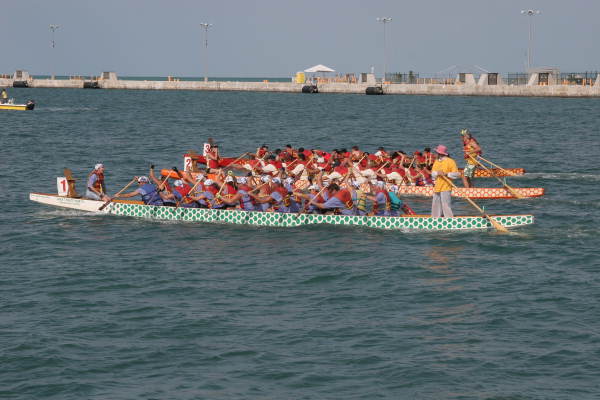
View of races during the Battle in the Bay Dragon Boat Festival - Key West, Florida, 2006

View of races during the Battle in the Bay Dragon Boat Festival - Key West, Florida, 2006

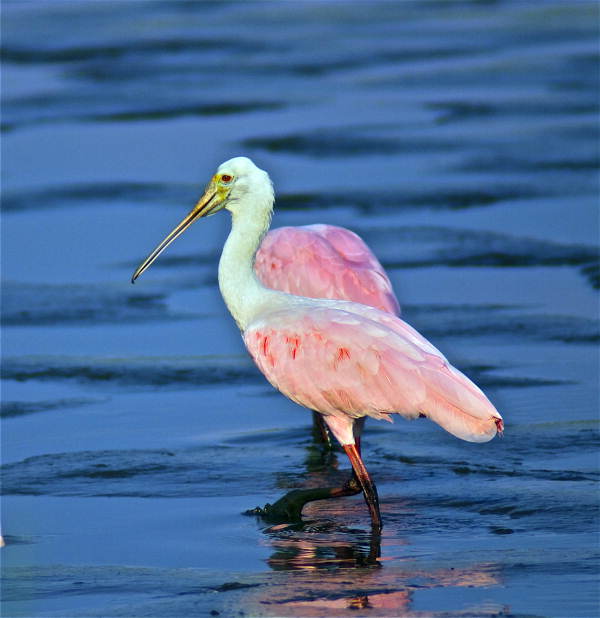
View of a Roseate spoonbill in Cedar Key, Florida, 2006

View of a Roseate spoonbill in Cedar Key, Florida, 2006

African American cowboys roping a calf at the Little Pig Foot Arena in Williston, Florida, ca. 2000

African American cowboys roping a calf at the Little Pig Foot Arena in Williston, Florida, ca. 2000

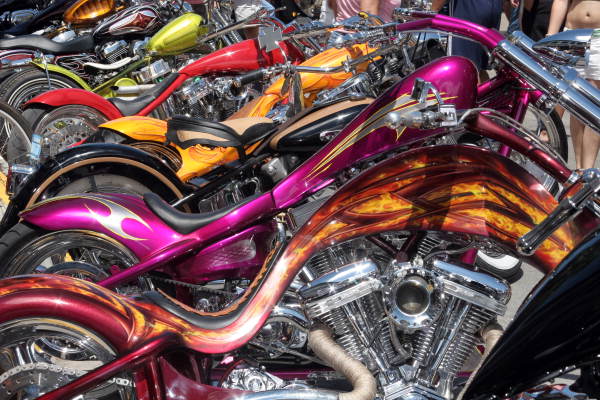
Close-up view of custom motorcycles on Duval Street during the annual Poker Run - Key West, Florida, 2006

Close-up view of custom motorcycles on Duval Street during the annual Poker Run - Key West, Florida, 2006

Josh Ray, 21 year old beekeeper from Chattahoochee, removing beehive from eaves of a Tallahassee residence on Vineyard Way, 2014

Josh Ray, 21 year old beekeeper from Chattahoochee, removing beehive from eaves of a Tallahassee residence on Vineyard Way, 2014

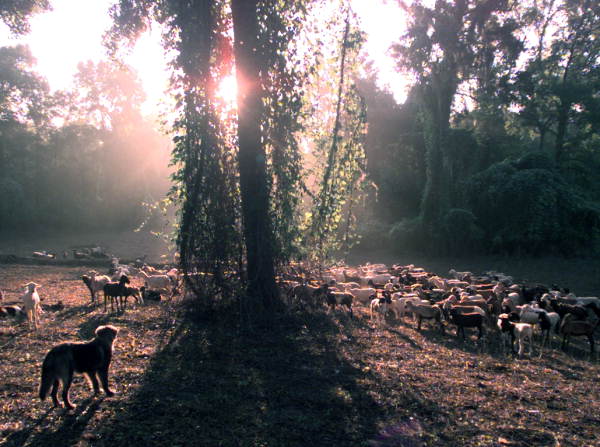
Morning view of dog with a hard of sheep, ca. 2000

Morning view of dog with a hard of sheep, ca. 2000

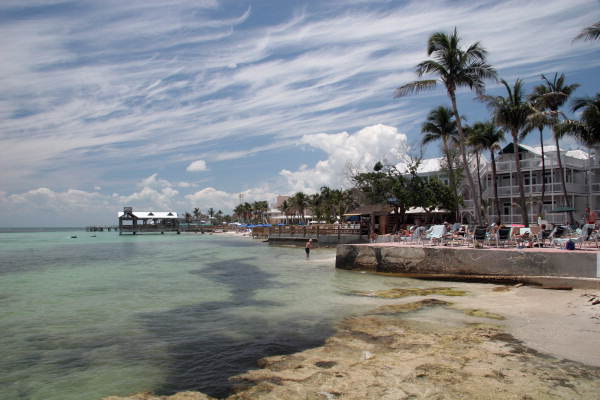
Beach behind Louie's back yard restaurant, 2006

Beach behind Louie's back yard restaurant, 2006

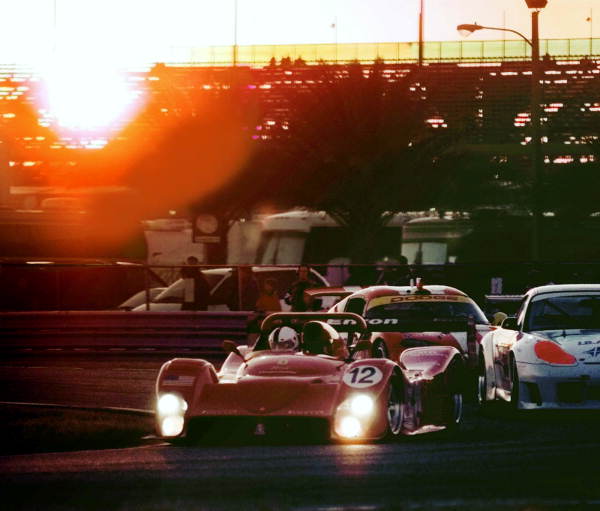
Cars running the Rolex 24 endurance race at sunset - Daytona Beach, Florida, 2000

Cars running the Rolex 24 endurance race at sunset - Daytona Beach, Florida, 2000

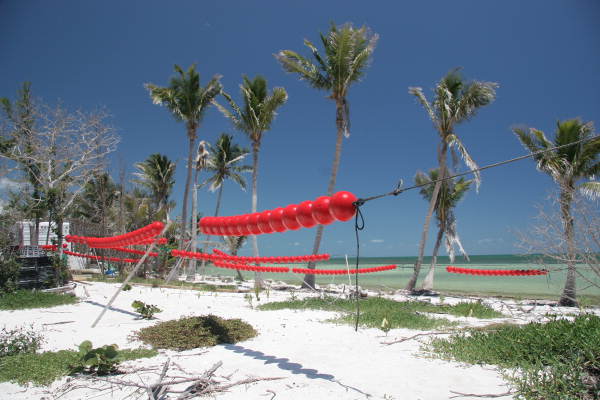
Lobster buoys, 2006

Lobster buoys, 2006

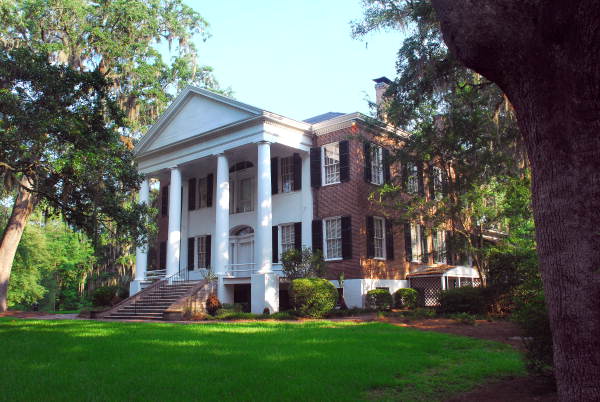
View of the frontal facade of the Call-Collins House at The Grove in Tallahassee, Florida, August 2011

View of the frontal facade of the Call-Collins House at The Grove in Tallahassee, Florida, August 2011

State Seal of Florida
Division of Library and Information Services logo

Florida Memory is a digital outreach program providing free online access to select archival records from collections housed in the State Library and Archives of Florida. Florida Memory digitizes materials that illuminate the state's history and culture.

  • Florida Department of State
  • Division of Library & Information Services
  • State Archives of Florida
  • Additional Links

    About Us Connect With Us Disclaimer Harmful Content Statement State Archives Online Catalog State Library Online Catalog Ask A Librarian Accessibility Statement

    Follow Us

    Florida Memory is funded under the provisions of the Library Services and Technology Act from the Institute of Museum and Library Services. Florida's LSTA program is administered by the Department of State's Division of Library and Information Services.

    For FY2025-26, the percentage of total costs for the Florida Memory program financed with federal money is 66%; the federal dollar amount to be spent on the program is $1,027,650. This program does not receive any non-governmental funding.

    IMLS