Florida Memory is administered by the Florida Department of State, Division of Library and Information Services, Bureau of Archives and Records Management. The digitized records on Florida Memory come from the collections of the State Archives of Florida and the special collections of the State Library of Florida.

DLIS Logo
State Archives of Florida
  • ArchivesFlorida.com
  • State Archives Online Catalog
  • ArchivesFlorida.com
  • ArchivesFlorida.com
State Library of Florida
  • Library.Florida.gov
  • State Library Online Catalog
Related Sites
  • Division of Library and Information Services
  • Florida Electronic Library
  • Museum of Florida History
  • Florida Department of State
  • Division of Library and Information Services
  • State Archives of Florida
  • Listen: The Assorted Selections Program
Florida Memory Logo Florida Memory Logo
  • Discover
    • Photographs
      Photographs
      • About the Florida Photographic Collection
      • Photo Collections
      • Share Your Knowledge
      • Disclaimer and Copyright
    • Historical Records
      Historical Records
      • Voter Registration Rolls, 1867-68
        Reconstruction era voting records
      • Early Auto Registrations, 1905-1917
        Florida's first automobile registrations
      • Florida's Historic Constitutions
        Milestones in Florida's political framework
      • Selected Documents
        Letters, ephemera and other historical records
      • Florida Governors' Records
        Documenting Florida's chief executive officers
      • VIEW ALL
    • Maps
      Maps
      • Browse by Geographic Scope
      • Browse by Coverage
      • Browse by Image
      • Browse by Format
      • Browse by Subject
    • Audio
      Audio
      • Florida Folklife Program Recordings
      • Florida Folk Festival Recordings
      • WPA Recordings
      • Selected Audio
      • Florida Memory Radio
    • Video
  • Learn
    • About Florida Memory
      About Florida Memory
      • Founding and Mission
      • What We Select
      • Digitization Guidelines
      • Harmful Content Statement
      • Disclaimer and Copyright
      • Partnerships
    • Classroom
      Classroom
      • Learning Units
      • Primary Source Sets
      • Florida History Day
      • History Months
      • Projects
    • Floridiana Articles
    • Exhibits
      Exhibits
      • Significant Documents
      • Florida in World War I
      • Florida in World War II
      • Florida Maps: Then & Now
      • Florida Folklife Collection
      • The Koreshan Unity
      • Daguerreotype to Digital
      • Timeline
      • Photo Exhibits
      • VIEW ALL
    • Research Tools
      Research Tools
      • Guide to Florida Governors and the Florida Cabinet
      • Guide to Civil War Records
      • Guide to Black History Collections
      • Guide to Women's History Records
      • Guide to New Deal Records
      • Guide to the Koreshan Unity Papers
      • Guide to Genealogical Research
      • Guide to Florida Films
      • VIEW ALL
  • Share
    • Order
    • Connect With Us
    • Donate Records
  • Accessibility Menu
    ×
    Change Background Color
    • Default
    • Dark Contrast
    • Desaturate
    • Invert
    Change Font-Size
    • Default
    • Large
    Change Font
    • Muli
    • Open-Dyslexic
    Cursor
    • Default
    • Large
    • Reading Guide
    Highlight Links
    • On
    • Off

Shopping Cart

View Cart Checkout
Home Learn Exhibits Daguerreotype to Digital Nitrate and Acetate Film

  • Daguerreotype to Digital
  • Daguerreotypes
  • Wet Collodion Photography
  • Albumen Prints
  • Tintypes
  • Cyanotype Photography
  • Glass Plate Negatives
  • Nitrate and Acetate Film
  • Color Photography
  • Motion Picture Film
  • Instant Photography
  • Digital Photography

Nitrate and Acetate Film

  • Nitrate, acetate and polyester film bases were widely used by photographers and filmmakers in the 20th century.
  • New cameras, such as the Kodak Brownie, were invented in the early 20th century to accommodate rolls of film.
  • As photographic film bases improved so did the quality of motion picture film.

History
Film is the ultimate evolution of wet collodion photography and the main contributor to the ubiquity of photography in contemporary life. Where gelatin plates improved the chemical stability and usability of a wet emulsion, film did away with delicate glass bases in favor of flexible nitrate or acetate plastics. In the history of photography, this improvement might be more accurately stated as: FILM!

Rolls of film allowed photographers to take more than one picture without reloading their cameras. Meanwhile, companies like Eastman Kodak offered mail-away development and printing services, and soon an entire ecosystem of cameras and film that could be used together emerged for hobbyists and professionals alike. Photography, with all its chemical complexities, could be as easy as point and shoot. There were still some flaws with early film bases, however. Namely, nitrate-based film was highly flammable and released oxygen as it burned, making it nearly impossible to extinguish with water. The danger was so severe that large quantities of nitrate film were sometimes stored like explosives. Thus, after its introduction in 1923, acetate “safety” film became the preferred base of film users.

Did You Know?
The State Archives of Florida has significant holdings of film outside of the Florida Photographic Collection in the form of microfilm. Microfilm allows thousands of pages of records to be condensed into a single roll of film. Microfilm uses a polyester base, which is stiffer and stronger than the acetate base favored for photography and movies. The exact length of time remains to be seen, but it is estimated that polyester film has a shelf life of at least 500 years. Check back with an archivist in the 2400s to see how it’s doing!

All American Girls Professional Baseball League player Marg Callaghan sliding into home plate as umpire Norris Ward watches, 1948. (State Archives of Florida)
Documents

Jacksonville Beach

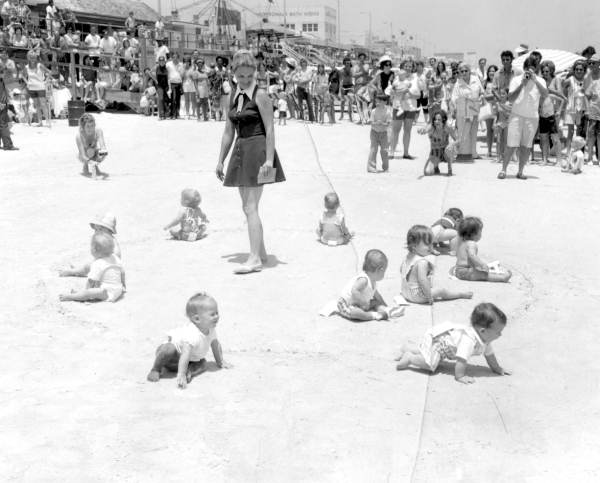
Jacksonville Beach "baby races", 1973

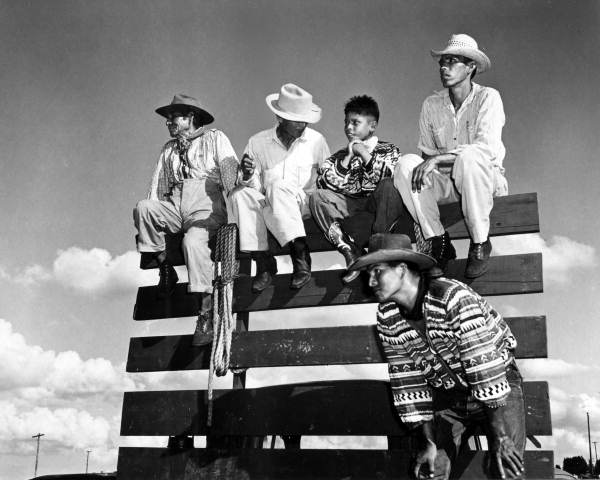
Seminole Indians at a rodeo in Okeechobee, Florida, November 1949

Seminole Indians at a rodeo in Okeechobee, Florida, November 1949

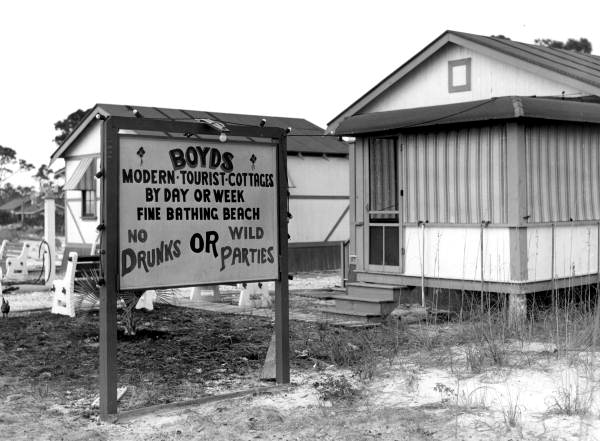
Boyds Modern Tourist Cottages - Pensacola, Florida, 1941

Boyds Modern Tourist Cottages - Pensacola, Florida, 1941

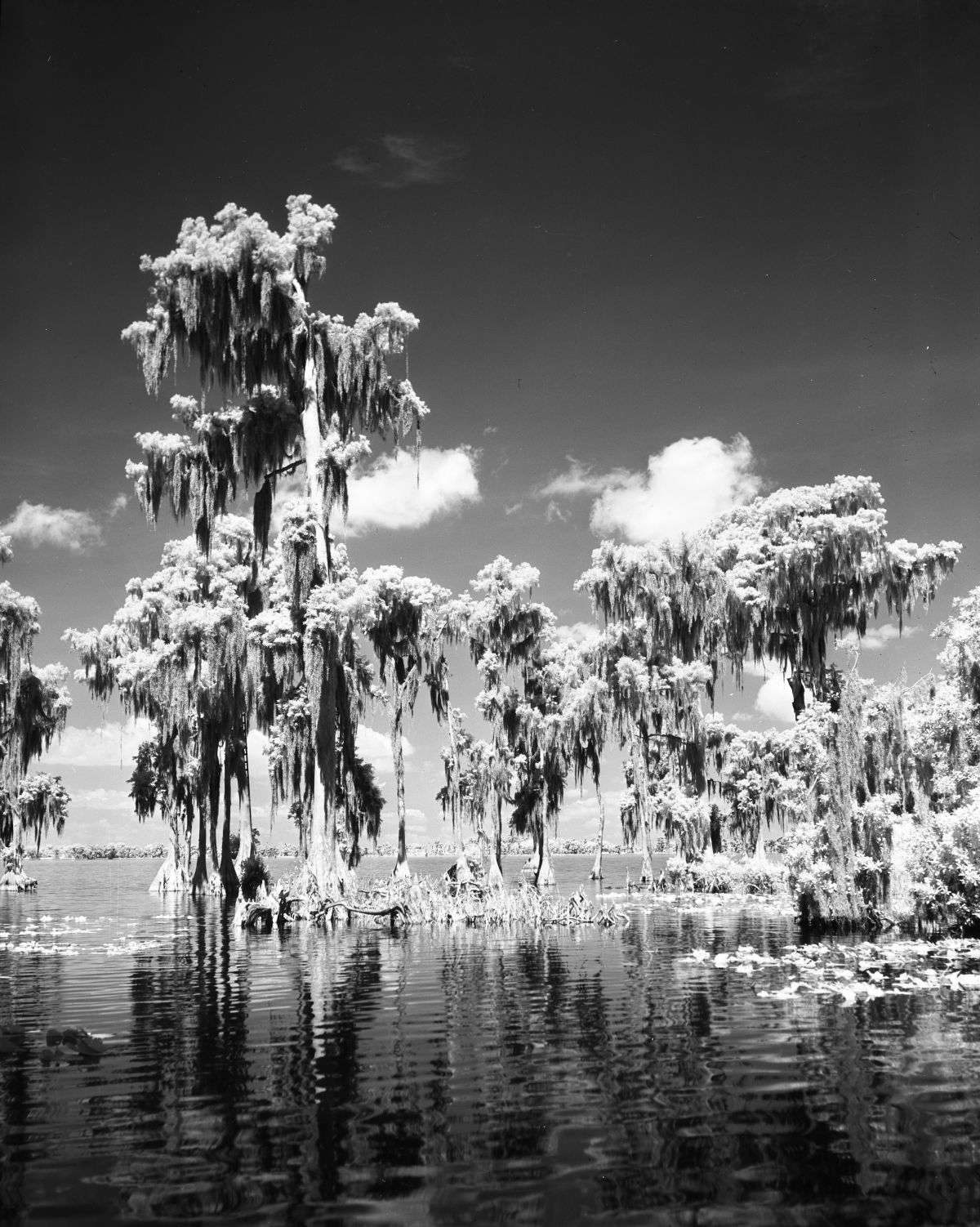
Cypress Trees in the water, June 1951

Cypress Trees in the water, June 1951

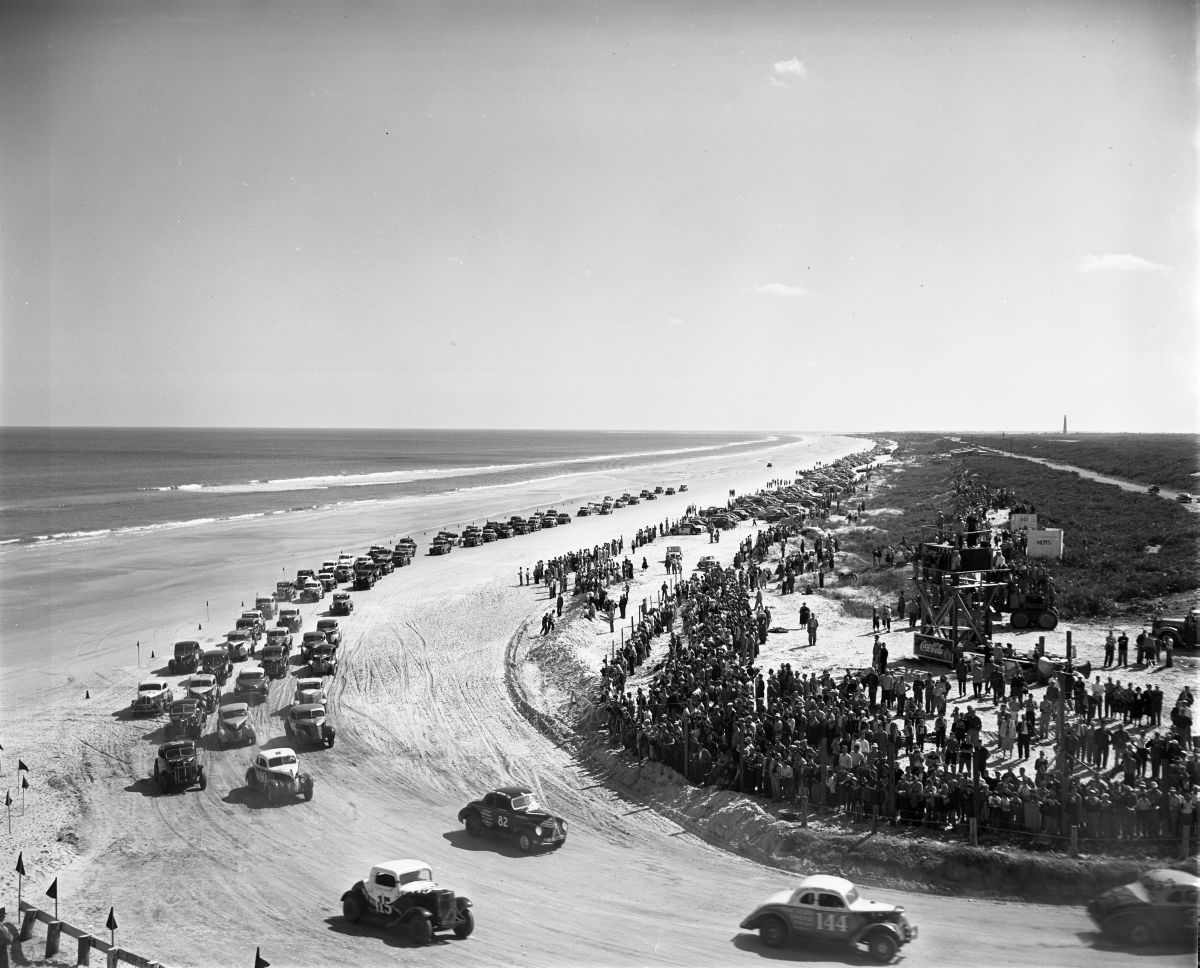
Cars racing on Daytona Beach, 1952

Cars racing on Daytona Beach, 1952

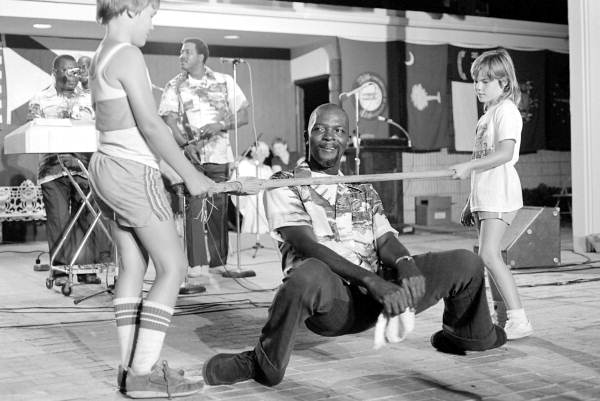
Member of the Key West Island Junkanoos limbo dancing at the 1983 Florida Folk Festival - White Springs, Florida

Member of the Key West Island Junkanoos limbo dancing at the 1983 Florida Folk Festival - White Springs, Florida

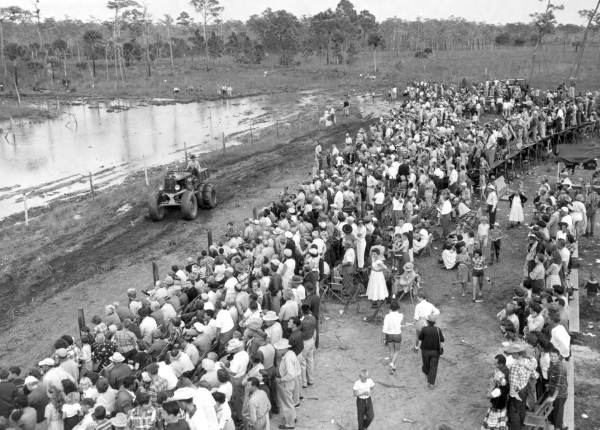
Crowd gathered to watch Swamp Buggy Day races - Naples, Florida, November 1953

Crowd gathered to watch Swamp Buggy Day races - Naples, Florida, November 1953

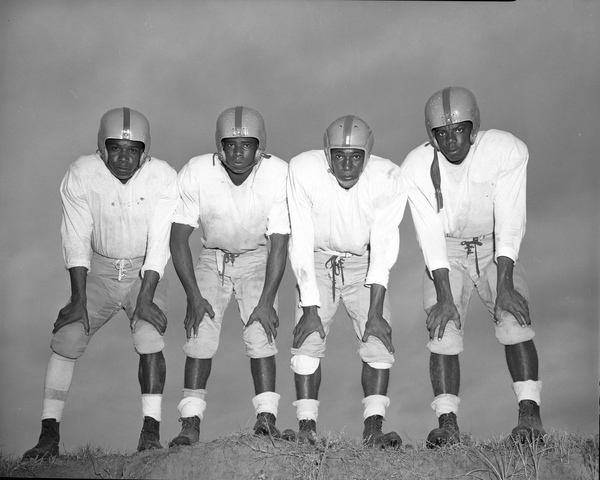
Willie

Willie "The Wisp" Galimore, right, with three other FAMU football players in Tallahassee, 1953

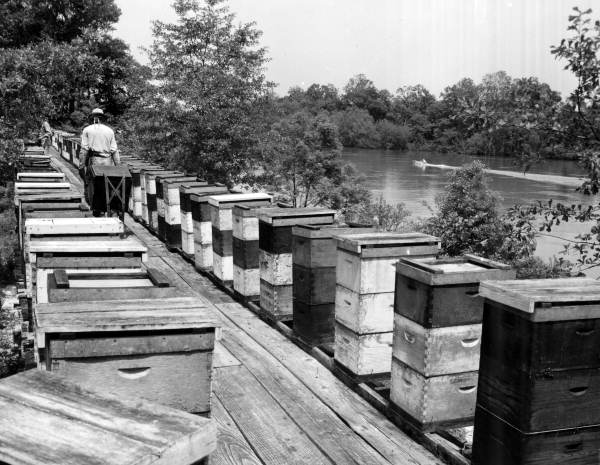
Tupelo honey beehives at Whitfield Apiaries in Wewahitchka, Florida, 1960

Tupelo honey beehives at Whitfield Apiaries in Wewahitchka, Florida, 1960

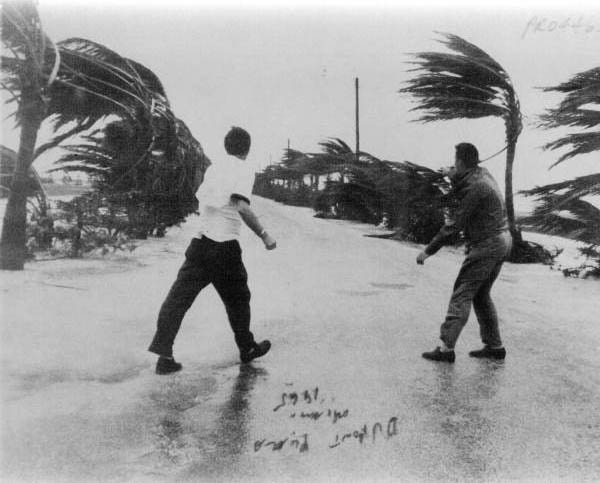
View from the Dupont Plaza of men walking in Hurricane Betsy : Miami, Florida, 1965

View from the Dupont Plaza of men walking in Hurricane Betsy : Miami, Florida, 1965

State Seal of Florida
Division of Library and Information Services logo

Florida Memory is a digital outreach program providing free online access to select archival records from collections housed in the State Library and Archives of Florida. Florida Memory digitizes materials that illuminate the state's history and culture.

  • Florida Department of State
  • Division of Library & Information Services
  • State Archives of Florida
  • Additional Links

    About Us Connect With Us Disclaimer Harmful Content Statement State Archives Online Catalog State Library Online Catalog Ask A Librarian Accessibility Statement

    Follow Us

    Florida Memory is funded under the provisions of the Library Services and Technology Act from the Institute of Museum and Library Services. Florida's LSTA program is administered by the Department of State's Division of Library and Information Services.

    For FY2025-26, the percentage of total costs for the Florida Memory program financed with federal money is 66%; the federal dollar amount to be spent on the program is $1,027,650. This program does not receive any non-governmental funding.

    IMLS