Florida Memory is administered by the Florida Department of State, Division of Library and Information Services, Bureau of Archives and Records Management. The digitized records on Florida Memory come from the collections of the State Archives of Florida and the special collections of the State Library of Florida.

DLIS Logo
State Archives of Florida
  • ArchivesFlorida.com
  • State Archives Online Catalog
  • ArchivesFlorida.com
  • ArchivesFlorida.com
State Library of Florida
  • Library.Florida.gov
  • State Library Online Catalog
Related Sites
  • Division of Library and Information Services
  • Florida Electronic Library
  • Museum of Florida History
  • Florida Department of State
  • Division of Library and Information Services
  • State Archives of Florida
  • Listen: The Assorted Selections Program
Florida Memory Logo Florida Memory Logo
  • Discover
    • Photographs
      Photographs
      • About the Florida Photographic Collection
      • Photo Collections
      • Share Your Knowledge
      • Disclaimer and Copyright
    • Historical Records
      Historical Records
      • Voter Registration Rolls, 1867-68
        Reconstruction era voting records
      • Early Auto Registrations, 1905-1917
        Florida's first automobile registrations
      • Florida's Historic Constitutions
        Milestones in Florida's political framework
      • Selected Documents
        Letters, ephemera and other historical records
      • Florida Governors' Records
        Documenting Florida's chief executive officers
      • VIEW ALL
    • Maps
      Maps
      • Browse by Geographic Scope
      • Browse by Coverage
      • Browse by Image
      • Browse by Format
      • Browse by Subject
    • Audio
      Audio
      • Florida Folklife Program Recordings
      • Florida Folk Festival Recordings
      • WPA Recordings
      • Selected Audio
      • Florida Memory Radio
    • Video
  • Learn
    • About Florida Memory
      About Florida Memory
      • Founding and Mission
      • What We Select
      • Digitization Guidelines
      • Harmful Content Statement
      • Disclaimer and Copyright
      • Partnerships
    • Classroom
      Classroom
      • Learning Units
      • Primary Source Sets
      • Florida History Day
      • History Months
      • Projects
    • Floridiana Articles
    • Exhibits
      Exhibits
      • Significant Documents
      • Florida in World War I
      • Florida in World War II
      • Florida Maps: Then & Now
      • Florida Folklife Collection
      • The Koreshan Unity
      • Daguerreotype to Digital
      • Timeline
      • Photo Exhibits
      • VIEW ALL
    • Research Tools
      Research Tools
      • Guide to Florida Governors and the Florida Cabinet
      • Guide to Civil War Records
      • Guide to Black History Collections
      • Guide to Women's History Records
      • Guide to New Deal Records
      • Guide to the Koreshan Unity Papers
      • Guide to Genealogical Research
      • Guide to Florida Films
      • VIEW ALL
  • Share
    • Order
    • Connect With Us
    • Donate Records
  • Accessibility Menu
    ×
    Change Background Color
    • Default
    • Dark Contrast
    • Desaturate
    • Invert
    Change Font-Size
    • Default
    • Large
    Change Font
    • Muli
    • Open-Dyslexic
    Cursor
    • Default
    • Large
    • Reading Guide
    Highlight Links
    • On
    • Off

Shopping Cart

View Cart Checkout
Home Learn Exhibits Daguerreotype to Digital Wet Collodion Photography

  • Daguerreotype to Digital
  • Daguerreotypes
  • Wet Collodion Photography
  • Albumen Prints
  • Tintypes
  • Cyanotype Photography
  • Glass Plate Negatives
  • Nitrate and Acetate Film
  • Color Photography
  • Motion Picture Film
  • Instant Photography
  • Digital Photography

Wet Collodion Photography

  • Wet collodion plates are glass smeared with a wet chemical mixture.
  • An ambrotype image is a faint negative, so it requires a dark background in order to make out the details. Without the dark background, the image is not easy to see.
  • Photographers brought all necessary equipment and chemicals with them into the field.


History
After the introduction of the daguerreotype, inventors all over the world began working on photographic processes that were easier to make and reproducible. In 1851, an English sculptor named Frederick Scott Archer created what he called the wet collodion process, a new method for photography that became the leading edge of photo technology until about 1880. Collodion was an emulsion of photosensitive chemicals which could be applied to a variety of bases. The most common form was the ambrotype, also known as a “glass daguerreotype.”

Wet collodion is so named because the necessary chemicals had to be poured or smeared on a glass plate immediately prior to exposing the photograph. This was a major drawback of the process; photographs had to be prepared, exposed, developed and fixed before the collodion could dry. Nevertheless, the quality of images produced in this way far surpassed prior methods and the resulting glass negative could either be mounted against a dark background to create the appearance of a positive photo or used to make multiple positive prints on paper. Most paper prints created between the 1850s and the 1880s were made with wet or dry collodion plates. 

Did You Know?
Collodion is a mixture of gun cotton (nitrocellulose), alcohol and ether that quickly dries to form a durable waterproof film; it was first used in medicine to cover minor skin lesions. Frederick Scott Archer added potassium iodide to the mixture to create a photosensitive emulsion.

Ambrotype portrait of a girl, ca. 1870 (State Archives of Florida)
Documents

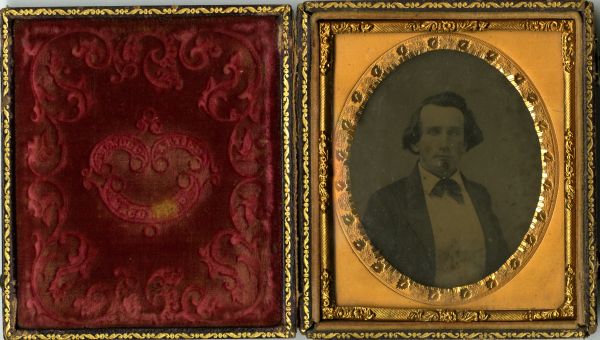
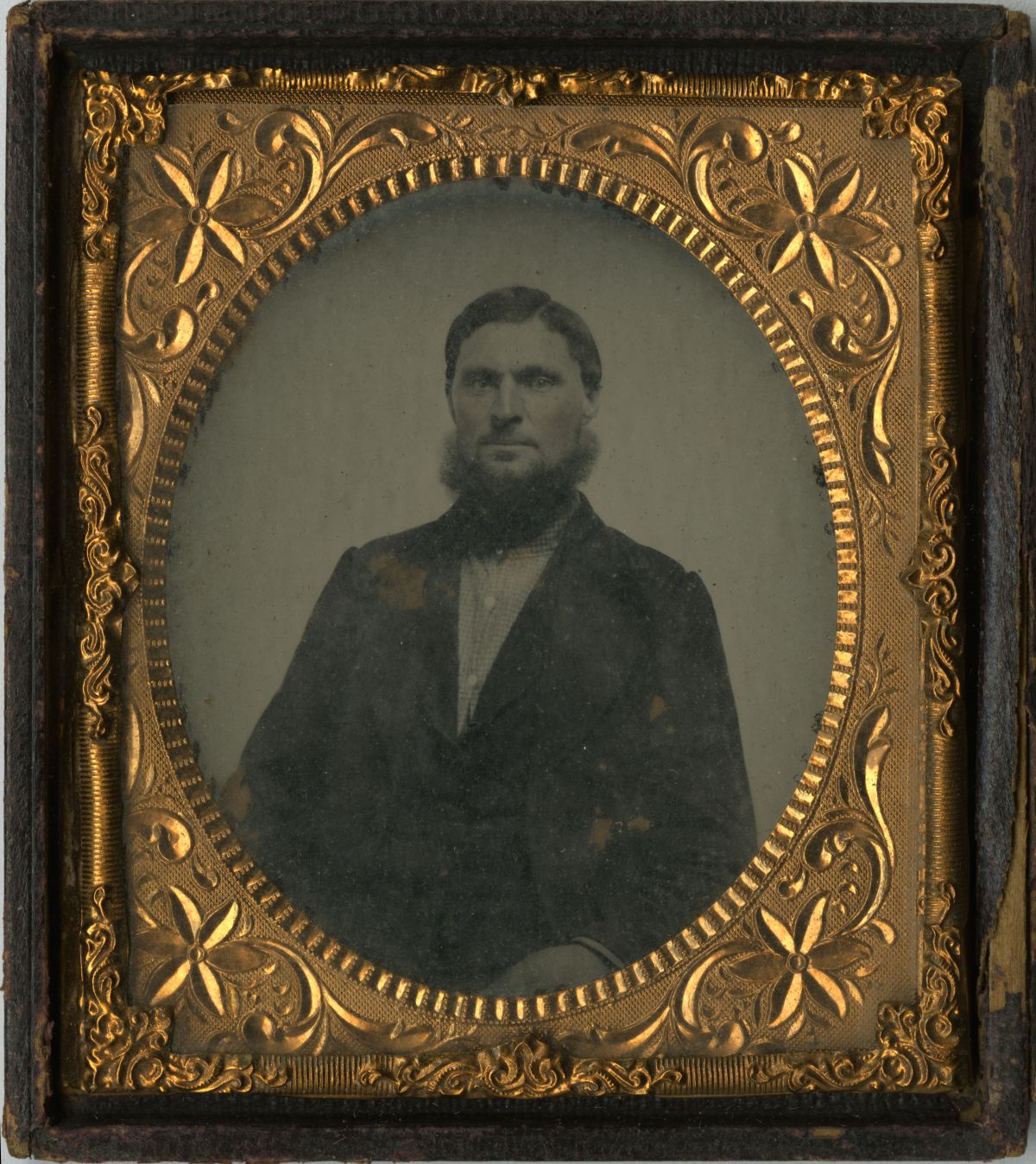
Ambrotype portrait of a bearded man, ca. 1870

Ambrotype portrait of a bearded man, ca. 1870

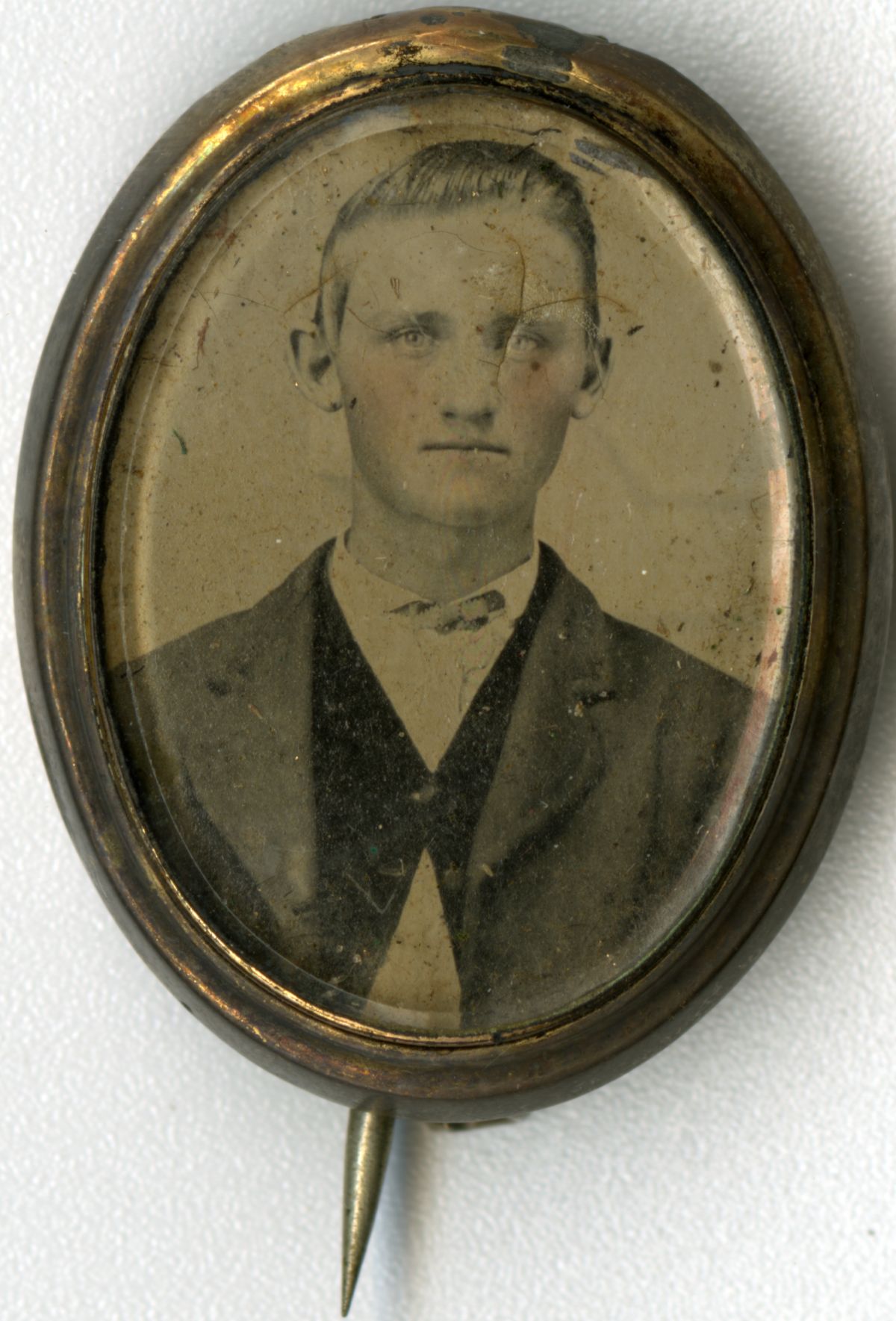
Ambrotype portrait of a man on a pin-back button, ca. 1870

Ambrotype portrait of a man on a pin-back button, ca. 1870

Thompson Bird Lamar ambrotype, ca. 1864

Thompson Bird Lamar ambrotype, ca. 1864

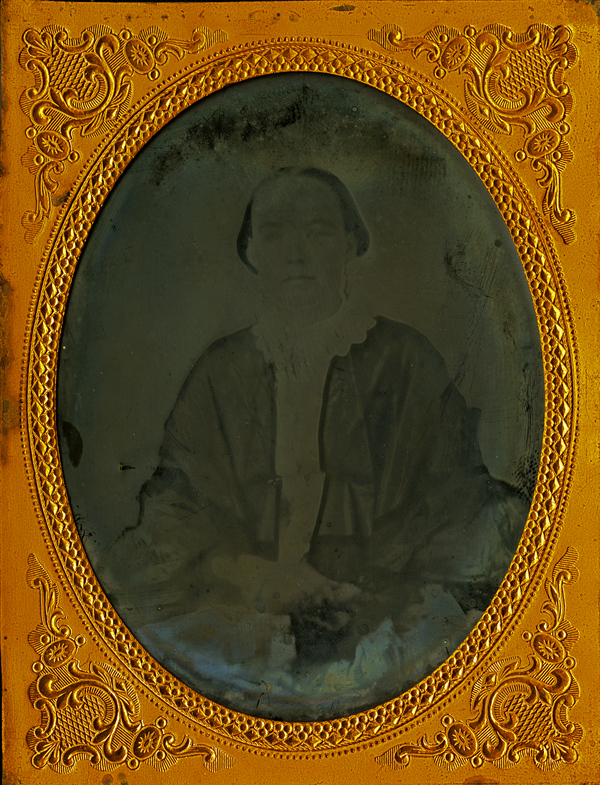
Ambrotype photo of Nancy Jane Pate Potter, ca. 1850

Ambrotype photo of Nancy Jane Pate Potter, ca. 1850

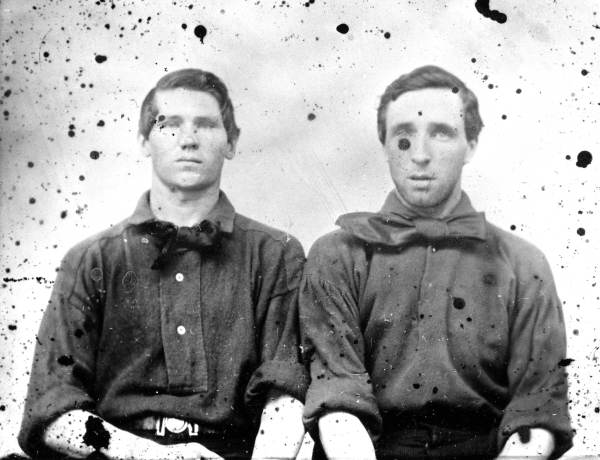
John Jasper Simmons and an unidentified soldier, ca 1870

John Jasper Simmons and an unidentified soldier, ca 1870

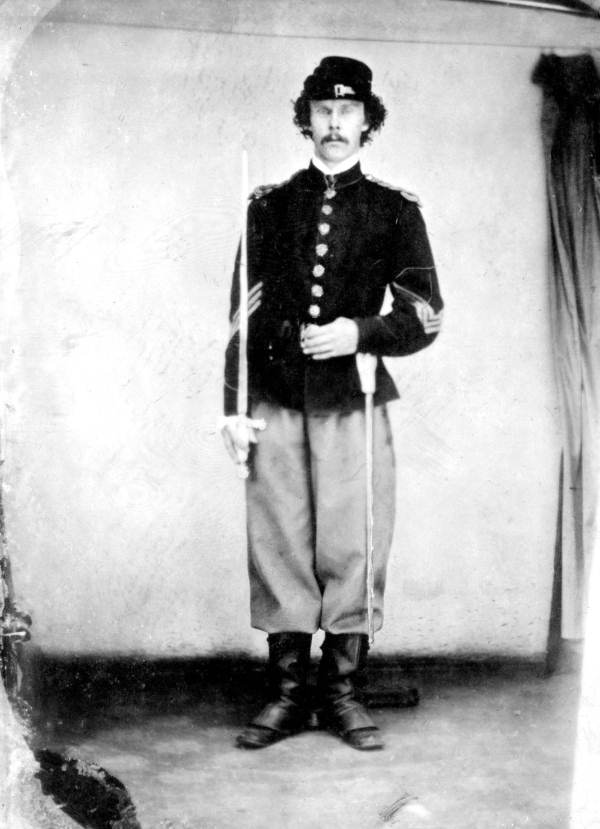
Portrait of Union Sergeant Giles Pease, ca. 1865

Portrait of Union Sergeant Giles Pease, ca. 1865

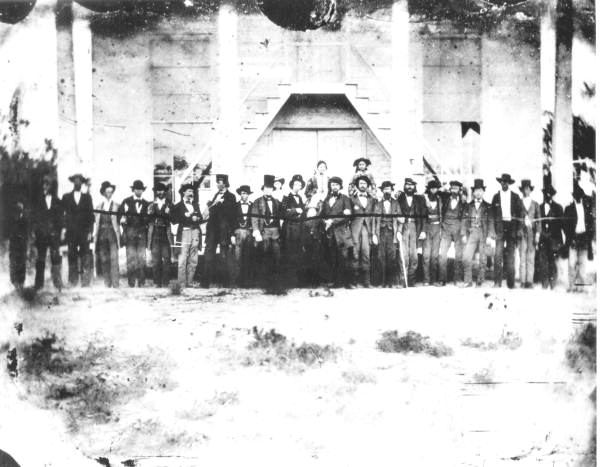
Members of the Florida House of Representatives assembled for a group portrait - Tallahassee, Florida, ca. 1860

Members of the Florida House of Representatives assembled for a group portrait - Tallahassee, Florida, ca. 1860

State Seal of Florida
Division of Library and Information Services logo

Florida Memory is a digital outreach program providing free online access to select archival records from collections housed in the State Library and Archives of Florida. Florida Memory digitizes materials that illuminate the state's history and culture.

  • Florida Department of State
  • Division of Library & Information Services
  • State Archives of Florida
  • Additional Links

    About Us Connect With Us Disclaimer Harmful Content Statement State Archives Online Catalog State Library Online Catalog Ask A Librarian Accessibility Statement

    Follow Us

    Florida Memory is funded under the provisions of the Library Services and Technology Act from the Institute of Museum and Library Services. Florida's LSTA program is administered by the Department of State's Division of Library and Information Services.

    For FY2025-26, the percentage of total costs for the Florida Memory program financed with federal money is 66%; the federal dollar amount to be spent on the program is $1,027,650. This program does not receive any non-governmental funding.

    IMLS