Florida Memory is administered by the Florida Department of State, Division of Library and Information Services, Bureau of Archives and Records Management. The digitized records on Florida Memory come from the collections of the State Archives of Florida and the special collections of the State Library of Florida.

DLIS Logo
State Archives of Florida
  • ArchivesFlorida.com
  • State Archives Online Catalog
  • ArchivesFlorida.com
  • ArchivesFlorida.com
State Library of Florida
  • Library.Florida.gov
  • State Library Online Catalog
Related Sites
  • Division of Library and Information Services
  • Florida Electronic Library
  • Museum of Florida History
  • Florida Department of State
  • Division of Library and Information Services
  • State Archives of Florida
  • Listen: The Assorted Selections Program
Florida Memory Logo Florida Memory Logo
  • Discover
    • Photographs
      Photographs
      • About the Florida Photographic Collection
      • Photo Collections
      • Share Your Knowledge
      • Disclaimer and Copyright
    • Historical Records
      Historical Records
      • Voter Registration Rolls, 1867-68
        Reconstruction era voting records
      • Early Auto Registrations, 1905-1917
        Florida's first automobile registrations
      • Florida's Historic Constitutions
        Milestones in Florida's political framework
      • Selected Documents
        Letters, ephemera and other historical records
      • Florida Governors' Records
        Documenting Florida's chief executive officers
      • VIEW ALL
    • Maps
      Maps
      • Browse by Geographic Scope
      • Browse by Coverage
      • Browse by Image
      • Browse by Format
      • Browse by Subject
    • Audio
      Audio
      • Florida Folklife Program Recordings
      • Florida Folk Festival Recordings
      • WPA Recordings
      • Selected Audio
      • Florida Memory Radio
    • Video
  • Learn
    • About Florida Memory
      About Florida Memory
      • Founding and Mission
      • What We Select
      • Digitization Guidelines
      • Harmful Content Statement
      • Disclaimer and Copyright
      • Partnerships
    • Classroom
      Classroom
      • Learning Units
      • Primary Source Sets
      • Florida History Day
      • History Months
      • Projects
    • Floridiana Articles
    • Exhibits
      Exhibits
      • Significant Documents
      • Florida in World War I
      • Florida in World War II
      • Florida Maps: Then & Now
      • Florida Folklife Collection
      • The Koreshan Unity
      • Daguerreotype to Digital
      • Timeline
      • Photo Exhibits
      • VIEW ALL
    • Research Tools
      Research Tools
      • Guide to Florida Governors and the Florida Cabinet
      • Guide to Civil War Records
      • Guide to Black History Collections
      • Guide to Women's History Records
      • Guide to New Deal Records
      • Guide to the Koreshan Unity Papers
      • Guide to Genealogical Research
      • Guide to Florida Films
      • VIEW ALL
  • Share
    • Order
    • Connect With Us
    • Donate Records
  • Accessibility Menu
    ×
    Change Background Color
    • Default
    • Dark Contrast
    • Desaturate
    • Invert
    Change Font-Size
    • Default
    • Large
    Change Font
    • Muli
    • Open-Dyslexic
    Cursor
    • Default
    • Large
    • Reading Guide
    Highlight Links
    • On
    • Off

Shopping Cart

View Cart Checkout
Home Learn Exhibits Daguerreotype to Digital Daguerreotype Photography

  • Daguerreotype to Digital
  • Daguerreotypes
  • Wet Collodion Photography
  • Albumen Prints
  • Tintypes
  • Cyanotype Photography
  • Glass Plate Negatives
  • Nitrate and Acetate Film
  • Color Photography
  • Motion Picture Film
  • Instant Photography
  • Digital Photography

Daguerreotype Photography

  • This is the earliest photographic process available to the public.
  • Daguerreotype images are exposed on a highly polished thin silver plate, giving them a mirror-like quality.
  • Daguerreotypes are not reproducible, so each photograph is one of a kind.


History
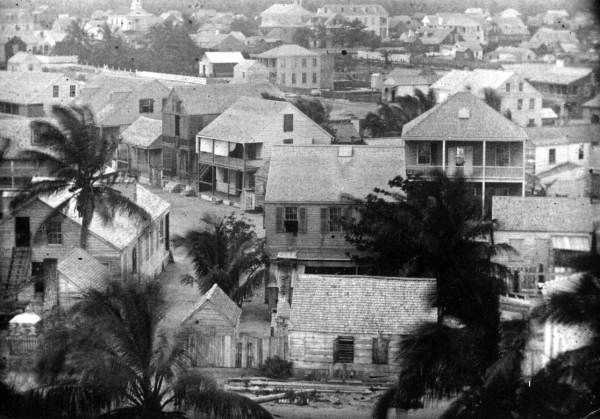
In 1839, French inventor Louis-Jacques Mandé Daguerre announced an invention he called the daguerreotype; the world’s first practical photographic process. Daguerre sold the technical details of his technology to the Kingdom of France in return for a lifetime pension, and the government in turn made it free to the public. The first photo known to be taken in Florida is a daguerreotype of Key
West, in about 1849.

A daguerreotype consists of a highly polished silver plate coated in photosensitive chemicals and exposed to light, fixed, and then encased. The mirror-like quality of a daguerreotype meant the viewer had to shift the image under light to see all of the details. Another significant drawback was the necessity of using dangerous chemicals like iodine and mercury. Daguerreotypes came in a variety of standard sizes. Most common was the sixth plate, measuring about 2 ¾ inches by 3 ¼ inches. Some daguerreotypists would color these images by hand using various pigments, for an additional fee.

Daguerreotypes required protection, typically accomplished by placing the image between a piece of glass and a brass mat with a paper seal along the edges. Sealed daguerreotypes were often placed in decorative cases. These photos are not reproducible, meaning every daguerreotype is one of a kind.

Did You Know?
It is a misconception that the stern expressions on the faces of photo subjects were due to the amount of time they had to sit still while the image was taken. People’s stoic appearances stemmed more from how they thought about the experience of being photographed. In the 1800s, having your picture taken carried much of the same dignity and distinction as being painted. Author Mark Twain’s thoughts about smiling in photographs were recorded in Elizabeth Wallace’s 1913 travelogue Mark Twain and the Happy Island: “I think a photograph is a most important document, and there is nothing more damning to go down to posterity than a silly, foolish smile caught and fixed forever.”

Daguerreotype bird's eye view overlooking various buildings in downtown Key West, ca. 1849. (State Archives of Florida)
Documents

Daguerreotype of Key West , ca. 1849

Daguerreotype of Key West , ca. 1849

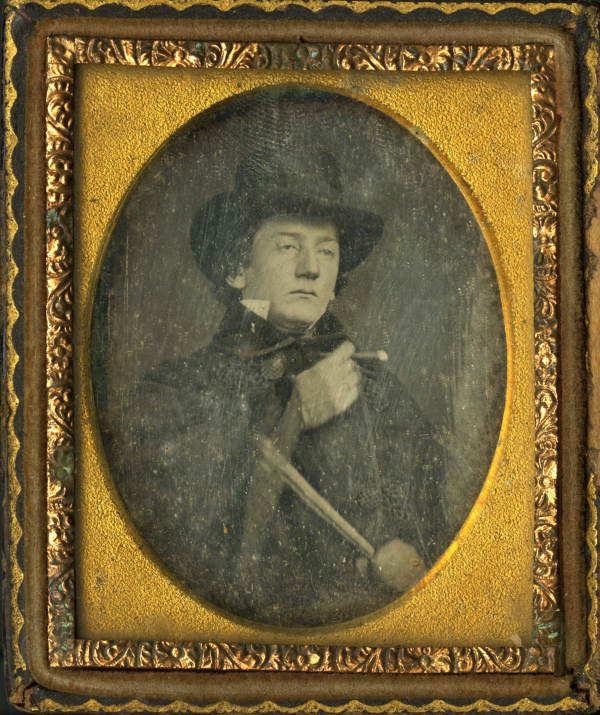
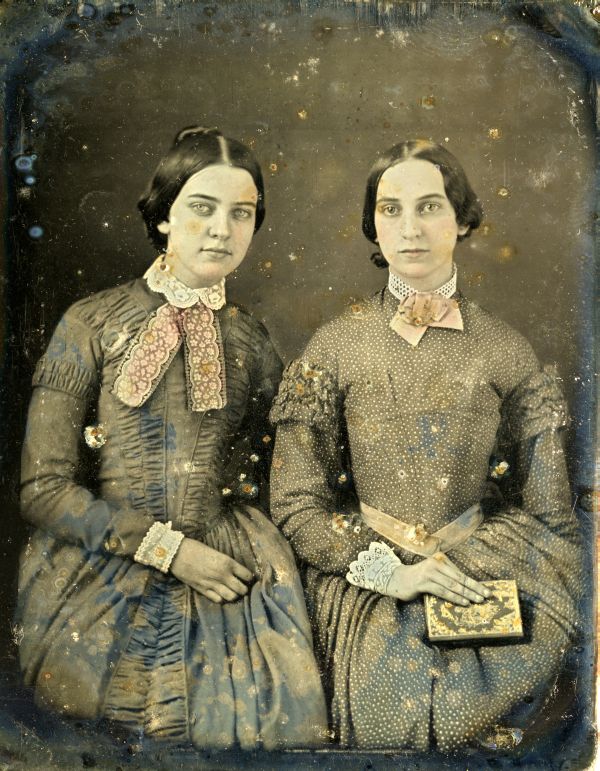
Daguerreotype of two women, ca. 1850

Daguerreotype of two women, ca. 1850

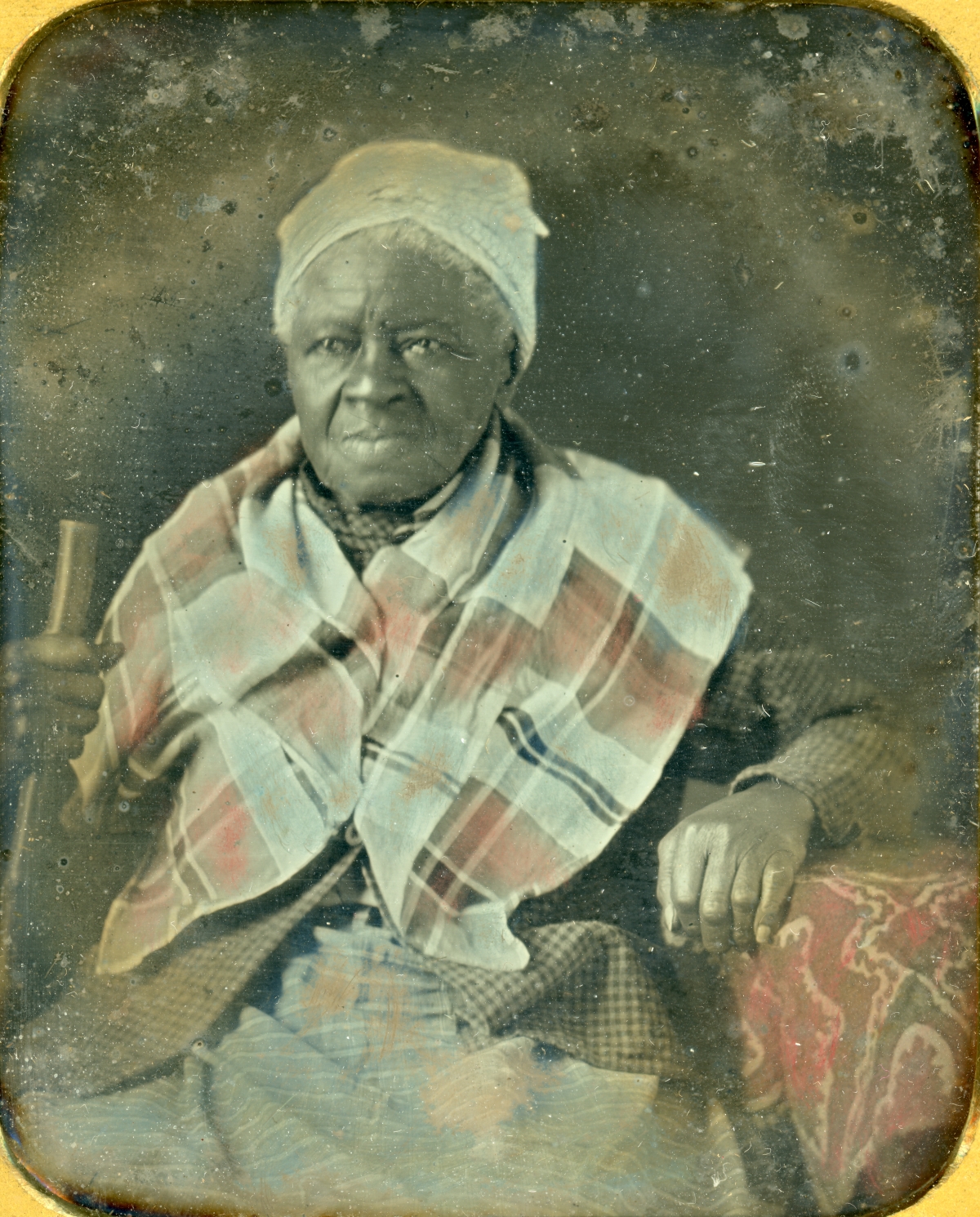
Daguerreotype Protrait of Mollie, Monticello, Fla., ca. 1850

Daguerreotype Protrait of Mollie, Monticello, Fla., ca. 1850

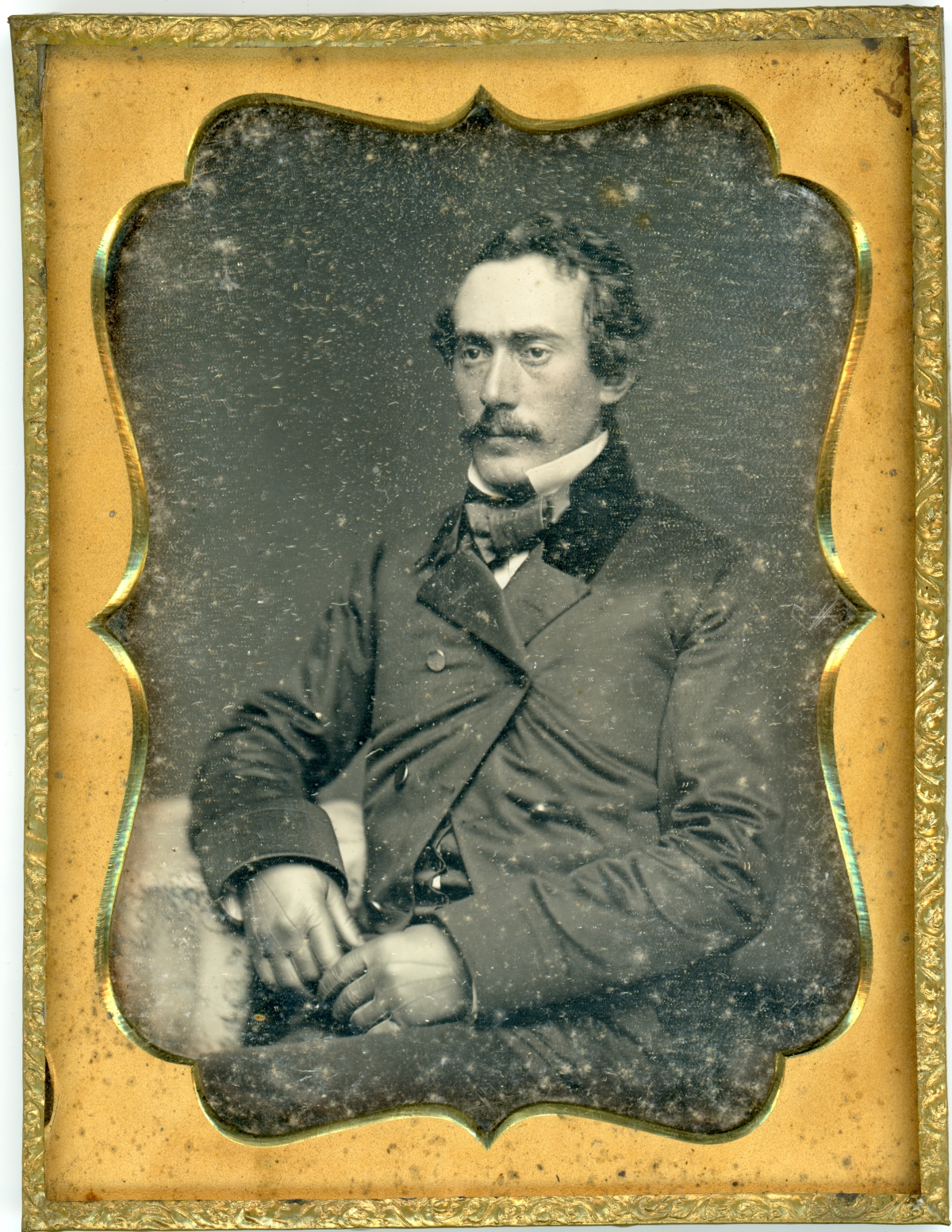
Daguerreotype Portait of a Tallahassee man, ca. 1850

Daguerreotype Portait of a Tallahassee man, ca. 1850

Daguerreotype Portrait of Major Weeks in Paris, France, 1854

Daguerreotype Portrait of Major Weeks in Paris, France, 1854

State Seal of Florida
Division of Library and Information Services logo

Florida Memory is a digital outreach program providing free online access to select archival records from collections housed in the State Library and Archives of Florida. Florida Memory digitizes materials that illuminate the state's history and culture.

  • Florida Department of State
  • Division of Library & Information Services
  • State Archives of Florida
  • Additional Links

    About Us Connect With Us Disclaimer Harmful Content Statement State Archives Online Catalog State Library Online Catalog Ask A Librarian Accessibility Statement

    Follow Us

    Florida Memory is funded under the provisions of the Library Services and Technology Act from the Institute of Museum and Library Services. Florida's LSTA program is administered by the Department of State's Division of Library and Information Services.

    For FY2025-26, the percentage of total costs for the Florida Memory program financed with federal money is 66%; the federal dollar amount to be spent on the program is $1,027,650. This program does not receive any non-governmental funding.

    IMLS