Florida Memory is administered by the Florida Department of State, Division of Library and Information Services, Bureau of Archives and Records Management. The digitized records on Florida Memory come from the collections of the State Archives of Florida and the special collections of the State Library of Florida.

State Archives of Florida
- ArchivesFlorida.com
- State Archives Online Catalog
- ArchivesFlorida.com
- ArchivesFlorida.com
State Library of Florida
Related Sites
 Listen: The Latin Program
Tintypes
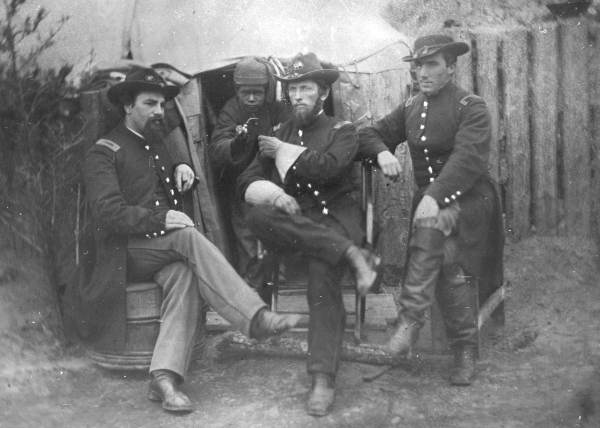
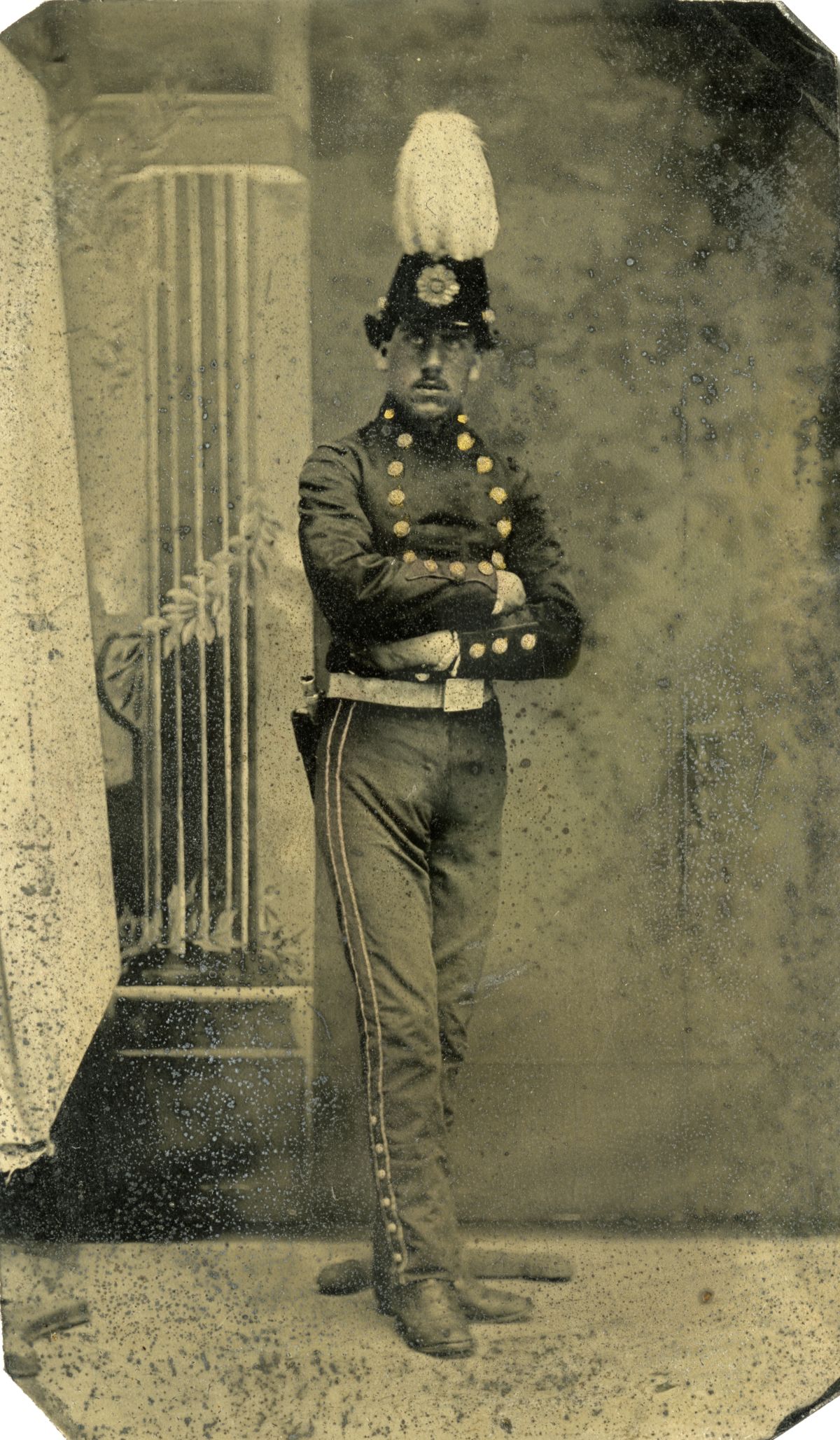
- Tintypes rose in popularity during the American Civil War because they were affordable, durable and light, so soldiers could send them home to loved ones in the mail.
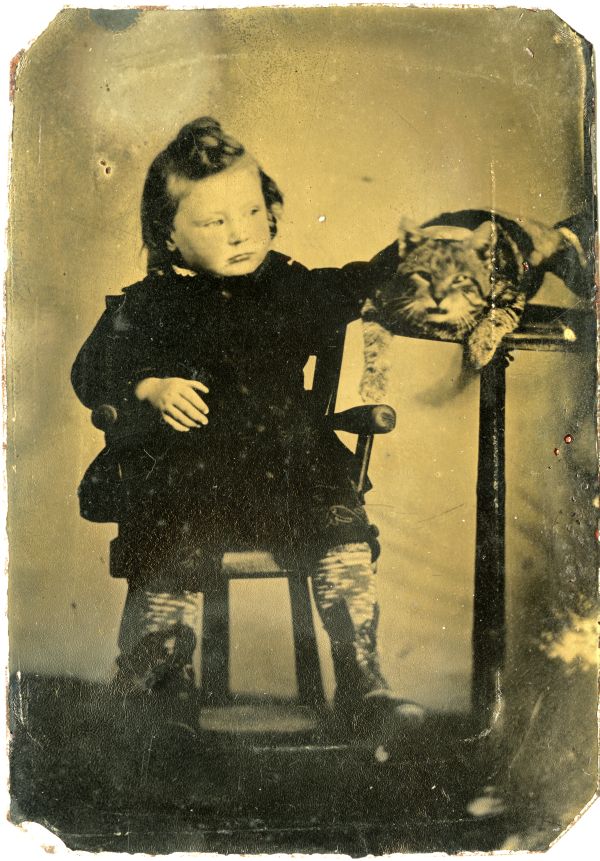
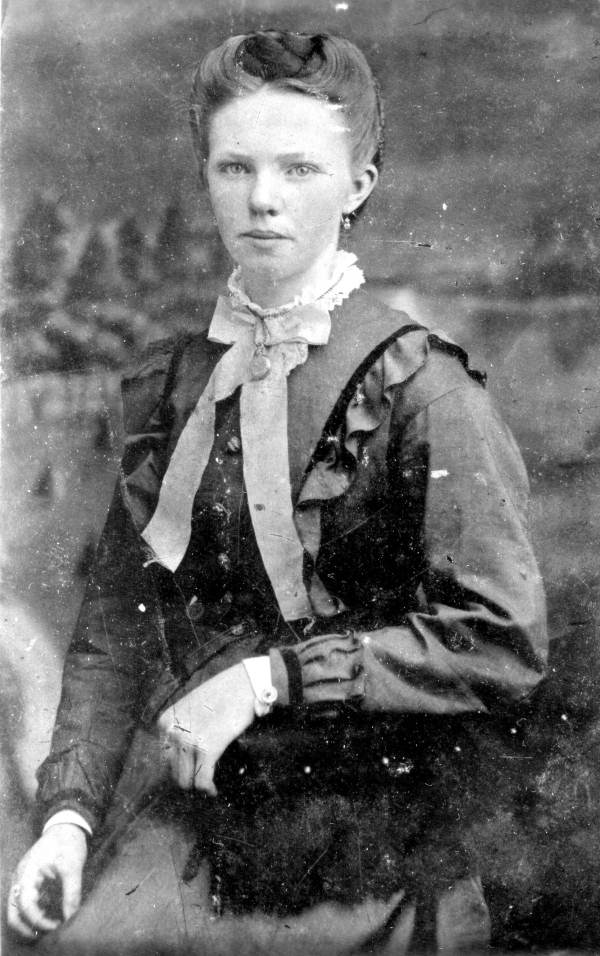
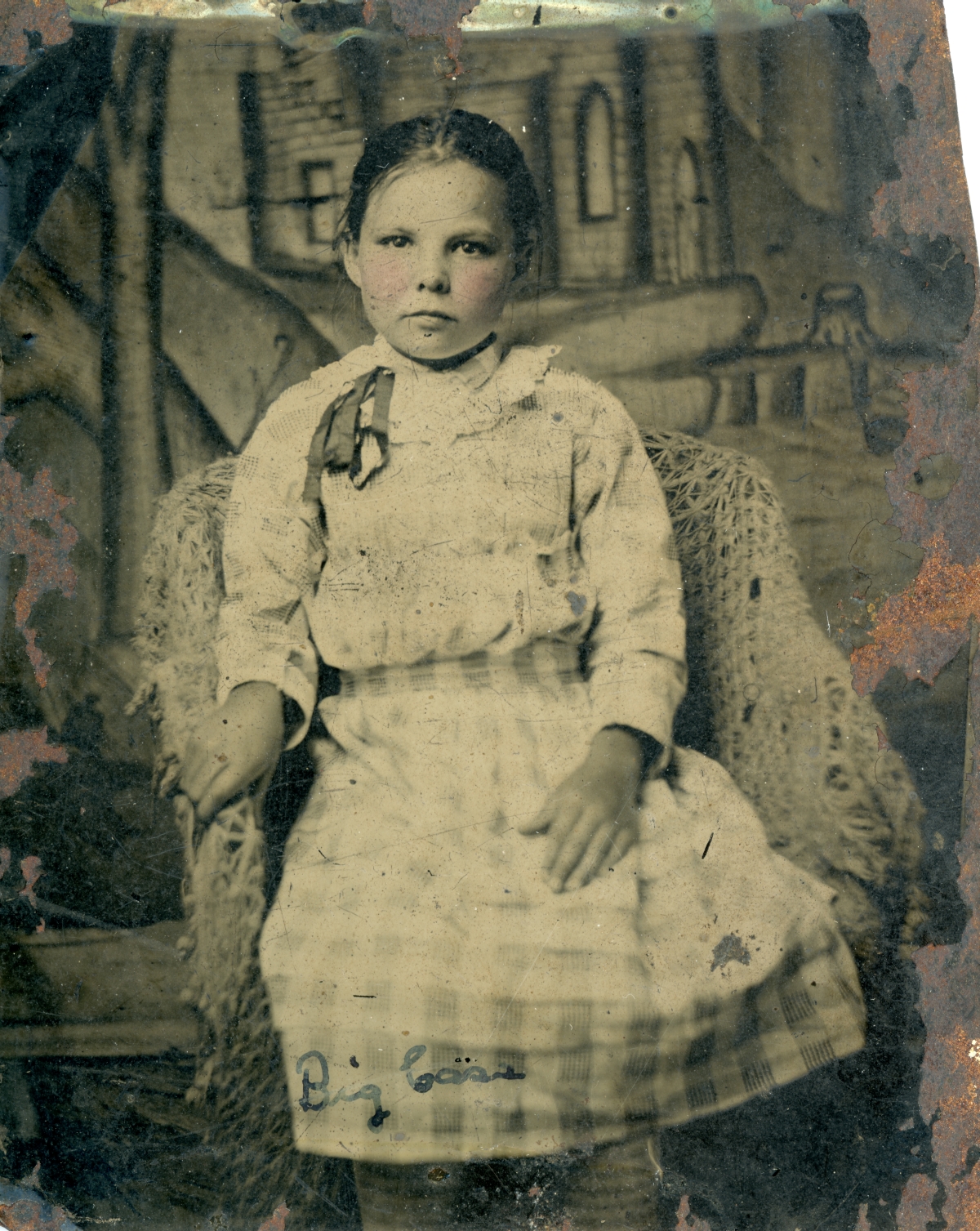
- Tintypes are not made of tin but are instead made on a thin lacquered sheet of iron.
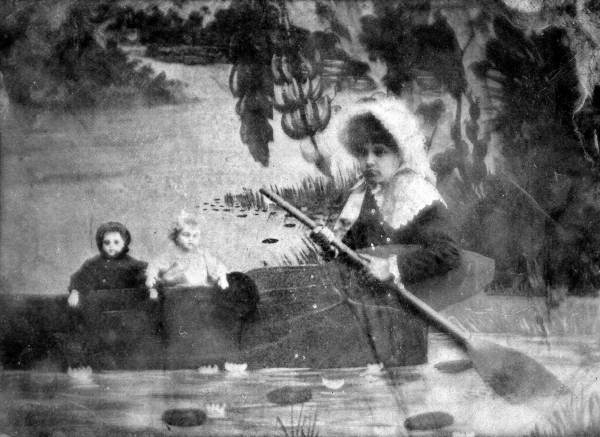
- Tintypes were a wet collodion derivative, but did not require a long drying period which made them easy to produce quickly.
History
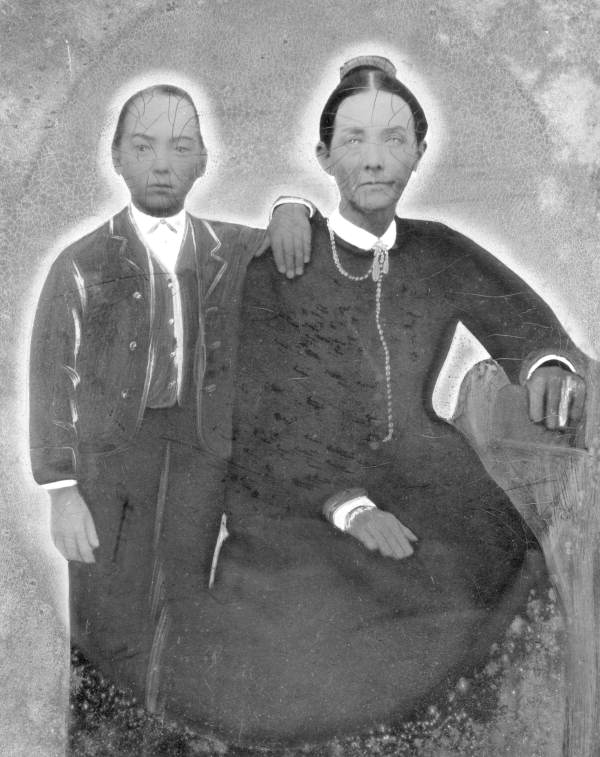
Tintypes are another application of the wet collodion process patented by American inventor Hamilton L. Smith in 1856. Where ambrotypes consisted of a wet emulsion on a glass base, tintypes were made by spreading the same emulsion on a thin, lacquered iron plate. Misnomer aside, tintypes were lighter and much more durable than ambrotypes. A photograph on iron could survive being sent in the mail much better than one on glass. This feature made the tintype very popular among photographers during the Civil War, which was the first conflict to be thoroughly documented by camera.
Like other wet collodion photographs, tintypes still had to be completely finished before the chemicals dried. The success of the tintype in the 1860s was due to the simplicity of the final product. Since the iron plate base was already dark to begin with, tintypes required no special mounting or case to see the image (although cases for display and storage were common). However, tintype images could not be copied like glass-based photographs as they were not transparent.
Gelatin dry plates could produce inconsistent results since the photosensitive chemicals were applied during manufacturing, weeks prior to exposure. While their shelf life was vastly longer than a wet collodion plate, it was still possible for entire cases of gelatin plates to lose their sensitivity during shipping.
Did You Know?
Tintype photographers frequently set up mobile photography shops, complete with darkroom equipment, in Civil War army camps to sell cheap photos for soldiers to send home to their families.
Portrait of U.S. soldier George W. Lee at Fort Barrancas, 1864. (State Archives of Florida)